Controlling humidity in a grow tent is essential for plant health, yield optimization, and mold prevention. Excess moisture—especially during the flowering stage—can lead to bud rot, mildew, and reduced crop quality. The key is to combine equipment, airflow design, and environmental control into a coordinated system.
Humidity requirements vary by growth stage:
Seedling stage: 65–75% RH
Vegetative stage: 50–70% RH
Flowering stage: 40–50% RH (critical for mold prevention)
If humidity consistently exceeds these ranges, intervention is required.
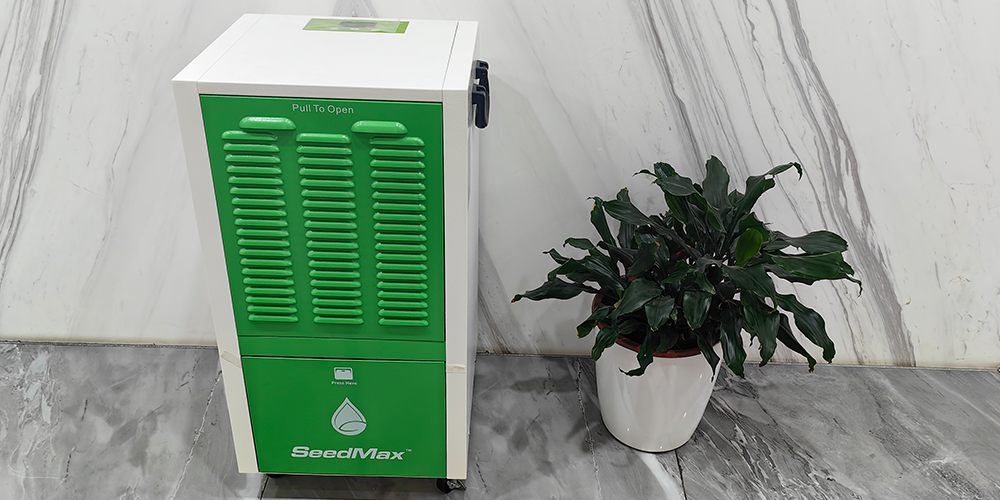
A grow room dehumidifier is the most direct and reliable solution.
Selection Guidelines
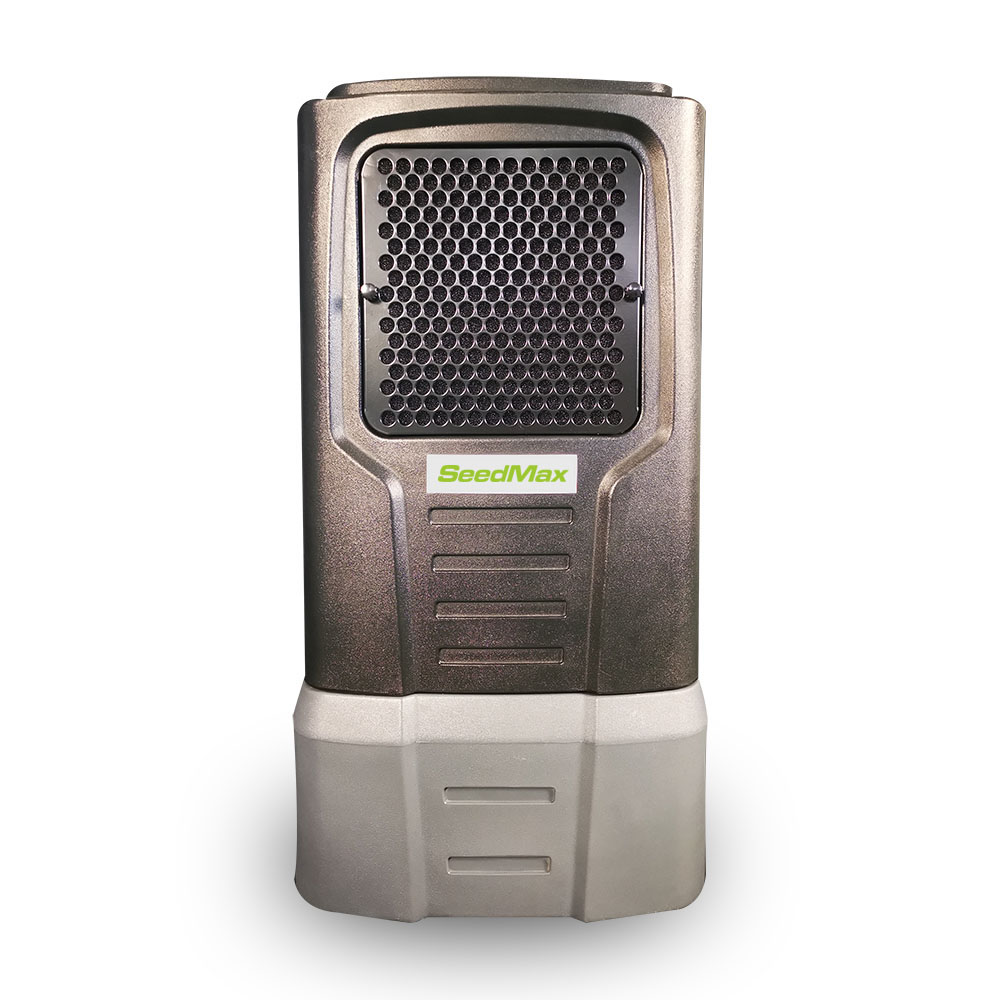
Small tents: compact portable dehumidifier
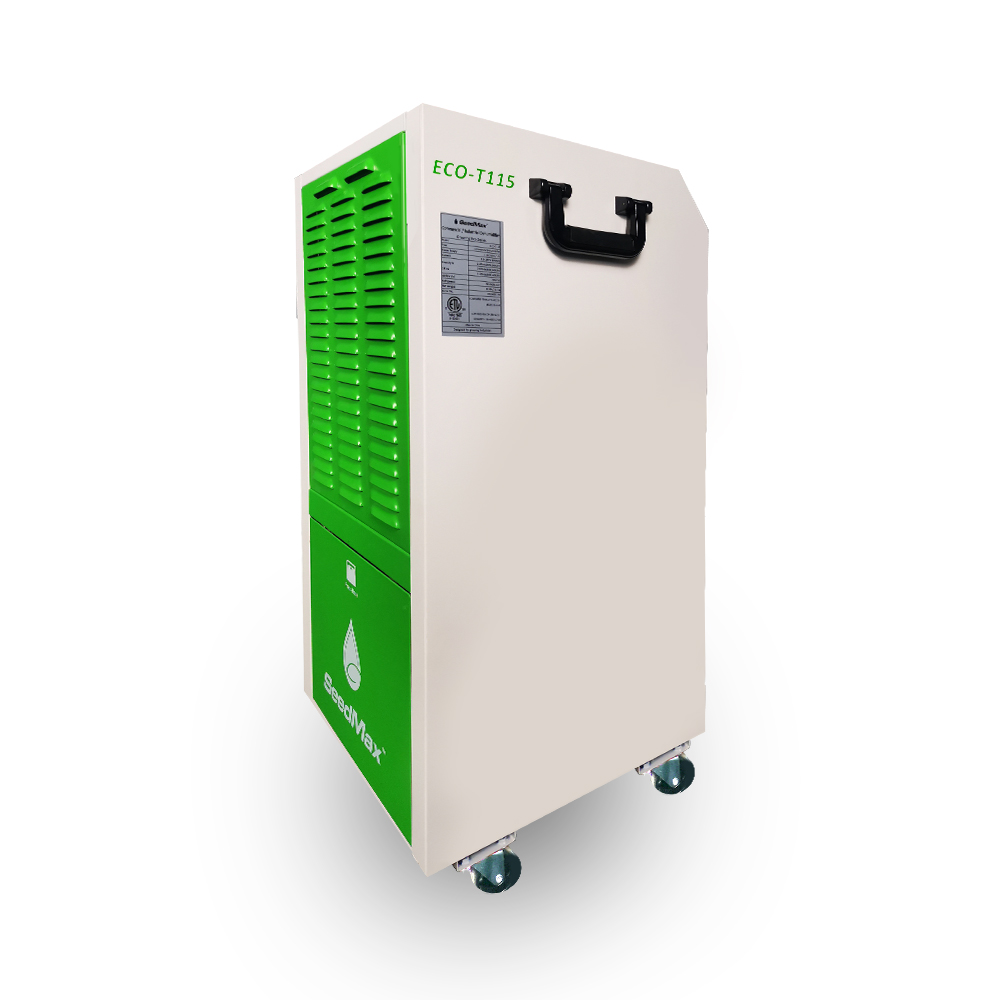
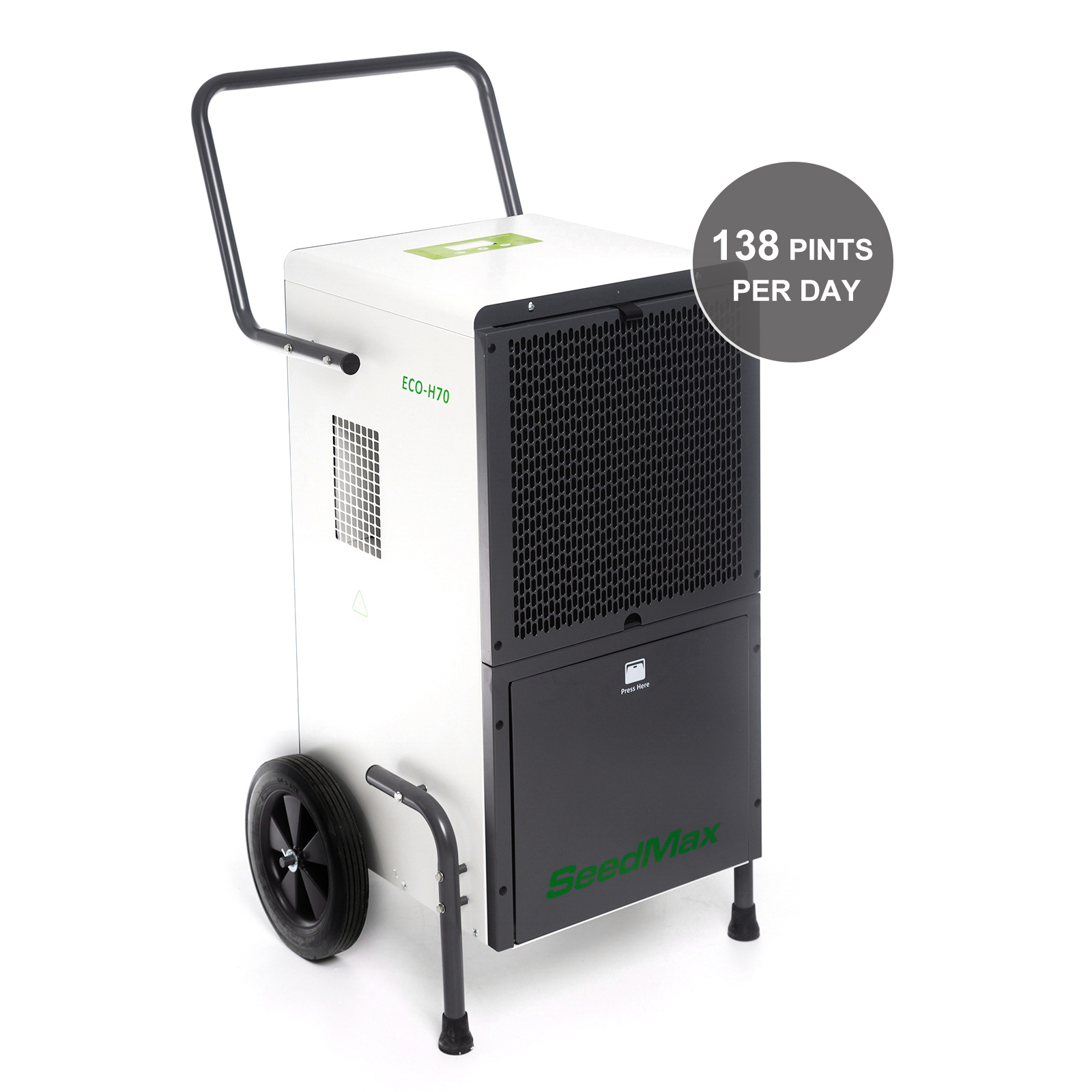
Medium tents: commercial mobile dehumidifier
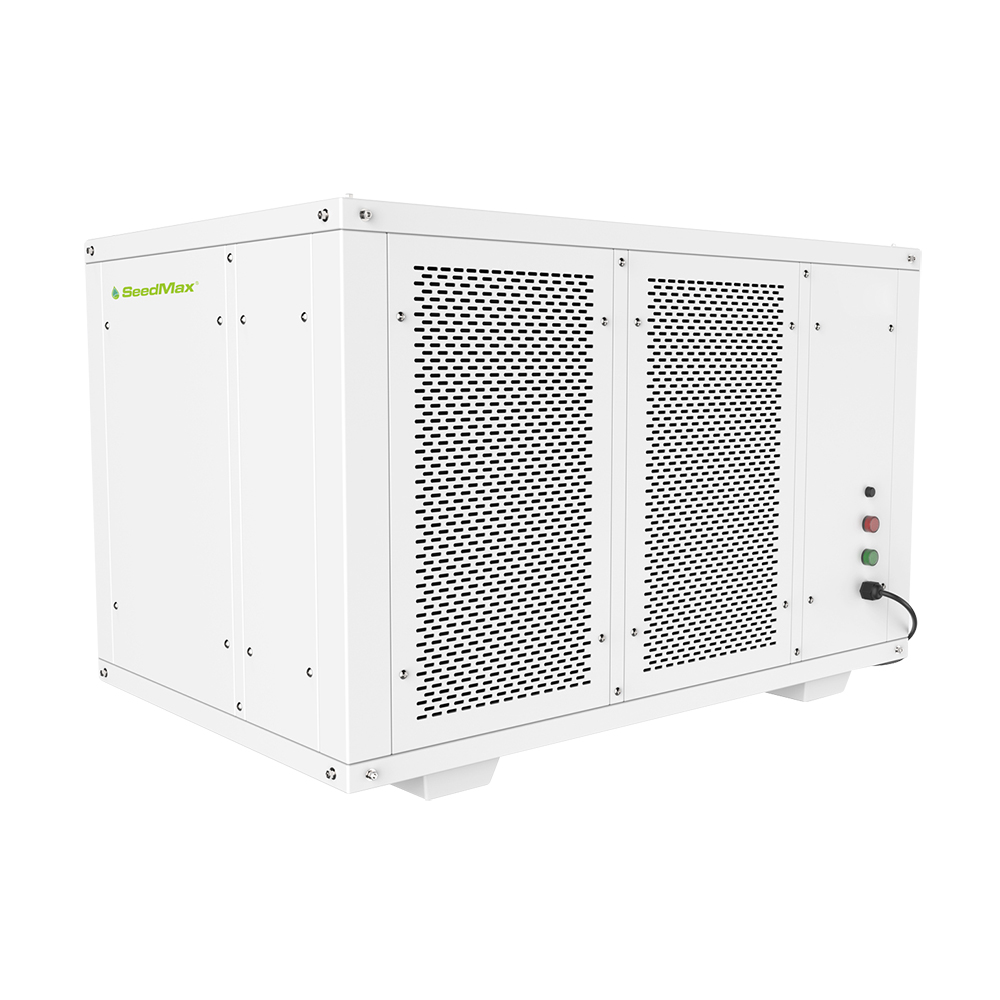
Large or commercial setups: dedicated grow room dehumidifiers
Placement Tips
Place inside the tent if space allows for direct control
Ceiling mount unit can be installed in the air among the plants
Alternatively, place outside the tent and condition intake air
Ensure unobstructed airflow around the unit
Key point: Oversized units cycle inefficiently; undersized units won’t keep up with transpiration.
Humidity builds up primarily from plant transpiration. Removing moist air is critical.
Core Components
Inline exhaust fan (top of tent)
Passive or active intake vents (bottom)
Best Practices
Run exhaust fan continuously or on a humidity controller
Vent air outside the room, not back into it
Increase fan speed during lights-off periods (humidity spikes)
Stagnant air creates microclimates where moisture accumulates.
Use oscillating fans to move air across the canopy
Prevent “dead zones” between dense plants
Promote even transpiration and evaporation
Good airflow doesn’t remove moisture directly—but it prevents localized high humidity.
Overwatering is a major hidden cause of high humidity.
Water plants at the start of the light cycle
Avoid standing water in trays
Use well-draining growing media
Less excess water = less evaporation into the air.
Humidity is temperature-dependent. Warmer air holds more moisture.
Slightly increase temperature to lower relative humidity
Maintain proper VPD (Vapor Pressure Deficit) balance
Avoid large temperature drops at night (causes RH spikes)
For advanced growers, managing VPD is more effective than RH alone.
Automation improves consistency and efficiency.
Humidity controllers to trigger dehumidifiers or fans
Smart grow controllers for integrated climate control
Monitor both RH and temperature continuously
Target stable conditions rather than reactive adjustments.
Your lung room (the space outside the tent) directly impacts internal conditions.
Dehumidify the room where the tent is located
Avoid placing tents in damp basements without treatment
Seal unnecessary air leaks
A controlled intake environment makes internal control much easier.
Dense canopies trap moisture.
Prune excess foliage to improve airflow
Maintain adequate spacing between plants
Remove lower growth that restricts circulation
This is especially important during flowering.
Relying only on fans (they don’t remove moisture)
Undersized exhaust systems
Ignoring nighttime humidity spikes
Poor drainage and overwatering
No monitoring tools
The most effective approach combines:
Dehumidifier + Ventilation + Air Circulation + Environmental Control
This integrated setup ensures:
Stable humidity levels
Healthier plants
Reduced risk of mold and disease
Higher yields and better-quality buds
Lowering humidity in a grow tent isn’t about a single fix—it’s about controlling the entire microclimate. By combining properly sized equipment with smart airflow and environmental management, you can maintain optimal humidity levels throughout every growth stage.
 Hangzhou Hongtai Electrical Appliance Co., Ltd.
 info@seedmaxtech.com