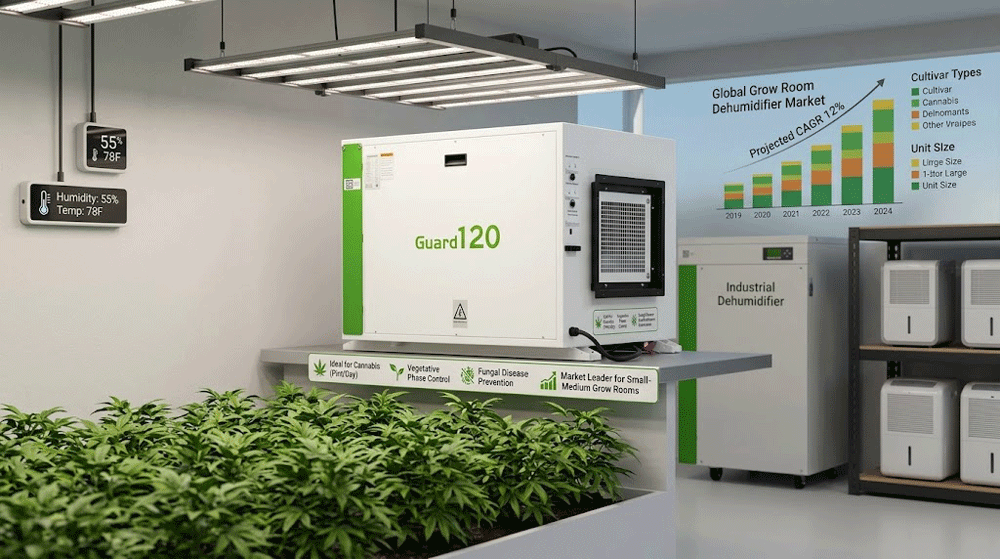
The global agriculture industry is undergoing a major transformation as controlled environment agriculture (CEA), smart greenhouses, and sustainable farming practices gain momentum. Among the technologies supporting this shift, greenhouse dehumidifiers are becoming increasingly important for maintaining optimal humidity levels, improving crop quality, and reducing the risk of plant diseases.
By 2027, the greenhouse dehumidifier market is expected to witness strong growth as growers worldwide invest in advanced climate-control systems. Rising demand for year-round crop production, increasing adoption of precision farming, and the need for energy-efficient greenhouse operations are driving market expansion.
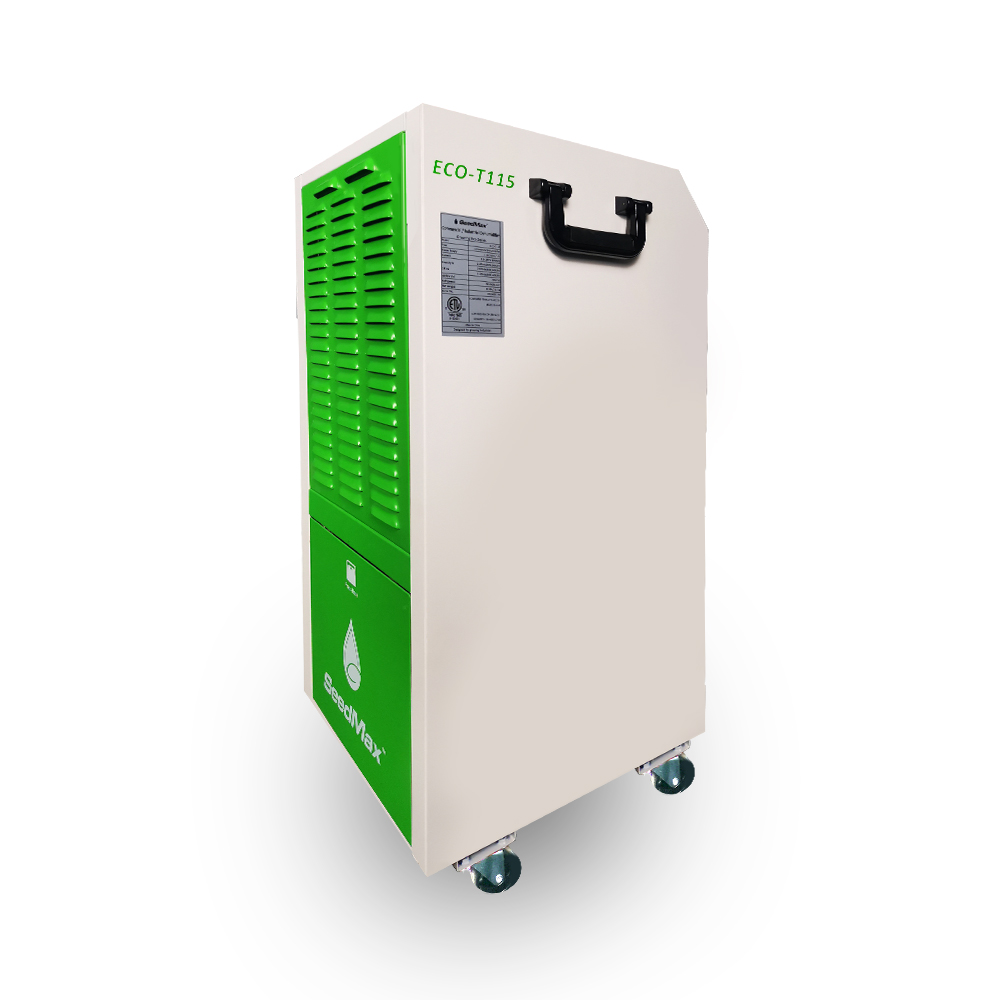
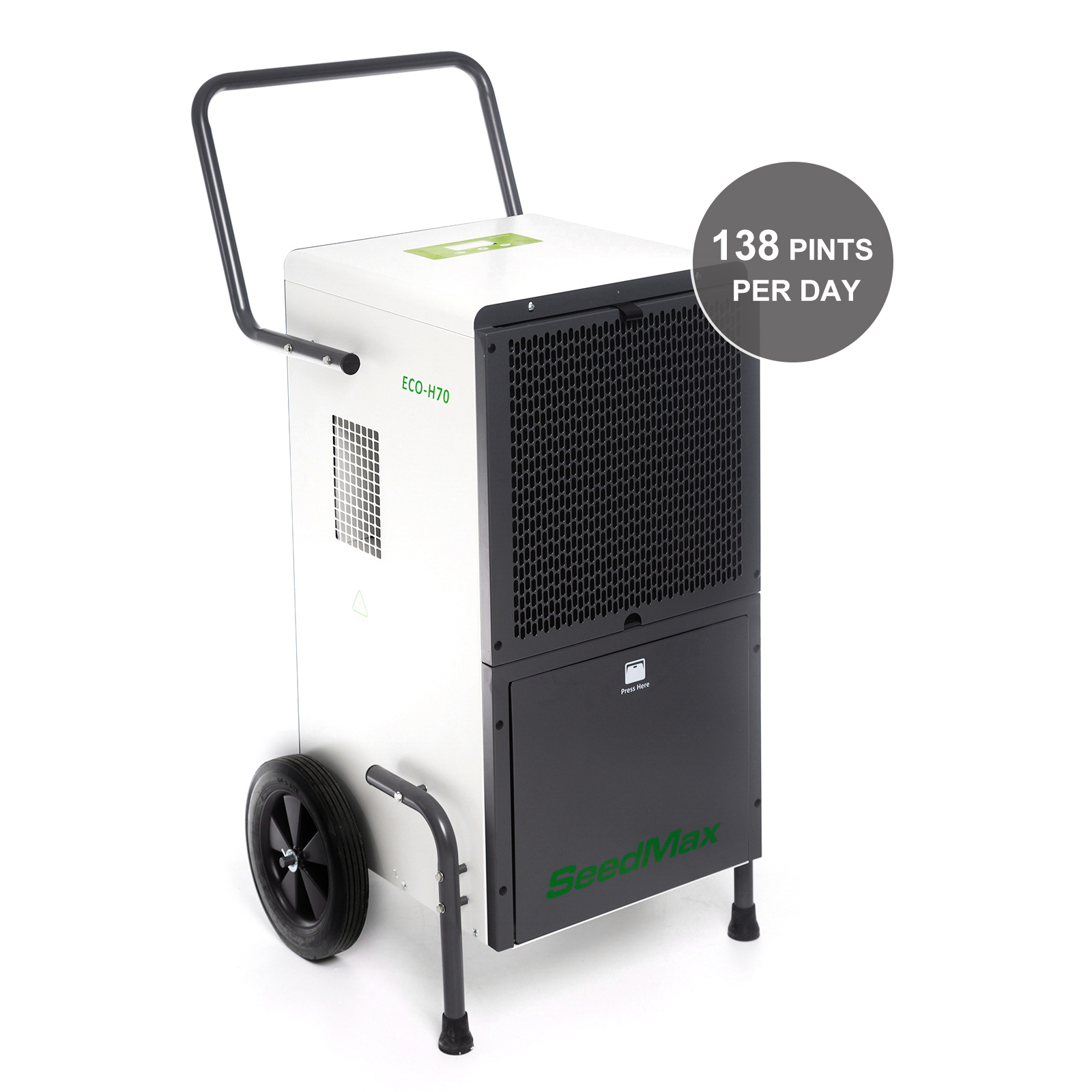
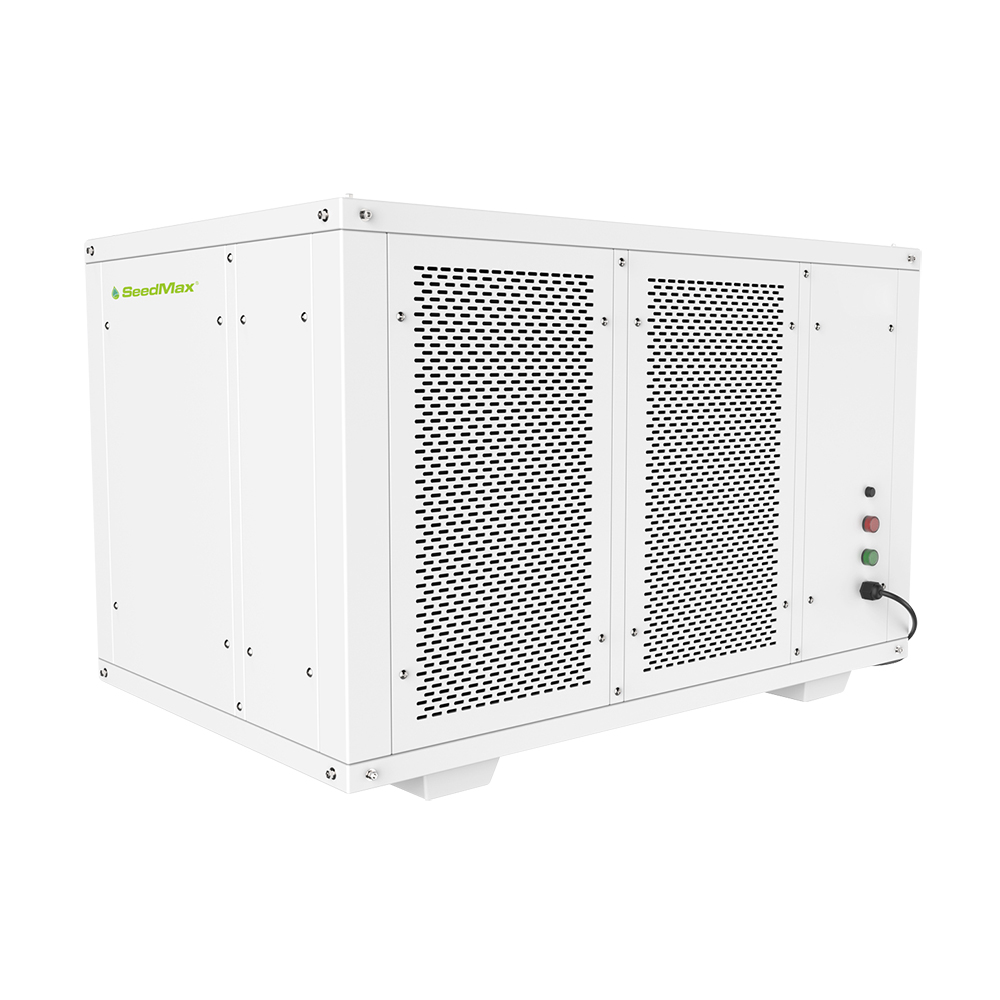
Greenhouse dehumidifiers are specialized systems designed to remove excess moisture from greenhouse environments. High humidity levels can create favorable conditions for fungal growth, mold, and plant diseases, affecting productivity and profitability. As commercial greenhouse operations become larger and more technology-driven, humidity management is becoming a critical component of modern cultivation.
Market forecasts indicate continued expansion through 2027, supported by increasing investments in greenhouse infrastructure, automation, and sustainable agricultural technologies. Some industry analyses estimate steady annual growth as growers adopt advanced dehumidification solutions for improved climate control.
The global rise of controlled environment agriculture is one of the strongest drivers of greenhouse dehumidifier demand. Greenhouses allow farmers to grow crops independent of seasonal limitations, but maintaining proper humidity remains essential for achieving consistent yields.
Commercial growers are increasingly using dehumidification systems to:
Prevent fungal diseases
Improve plant transpiration
Maintain stable growing conditions
Increase crop quality
Reduce production losses
As urban farming and high-tech greenhouse projects expand, demand for efficient humidity-control systems is expected to rise.
Energy consumption is a major concern for greenhouse operators. Traditional ventilation-based humidity control can result in heat loss, especially in colder regions.
Modern greenhouse dehumidifiers are being developed with:
Heat recovery technology
Low-energy compressors
Smart sensors
Automated humidity adjustment
Renewable energy compatibility
Energy-efficient designs help growers reduce operational costs while maintaining optimal growing environments.
Digital transformation is reshaping greenhouse management. IoT-enabled dehumidifiers allow growers to monitor and control humidity levels remotely through connected platforms.
Advanced systems increasingly feature:
Real-time humidity monitoring
Automated climate adjustments
Predictive maintenance alerts
Cloud-based analytics
Integration with greenhouse management software
These innovations improve efficiency and allow growers to make data-driven decisions.
By Product Type
Refrigerant-based systems are widely used because they provide efficient moisture removal in many commercial greenhouse applications. They work by cooling air to condense and remove excess moisture.
Advantages include:
High moisture removal capacity
Lower operating complexity
Suitability for medium and large greenhouses
Desiccant Dehumidifiers
Desiccant systems use moisture-absorbing materials to remove humidity and are particularly effective in low-temperature environments.
Benefits include:
Efficient operation in cold climates
Precise humidity control
Reduced dependence on cooling cycles
Commercial Greenhouses
Large-scale vegetable, flower, and fruit producers represent a major market segment. Commercial growers rely on dehumidification systems to improve productivity and maintain consistent crop quality.
Vertical Farming Facilities
The growth of indoor farming is creating new opportunities for compact and automated humidity-control equipment.
Research and Agricultural Facilities
Universities and agricultural research centers use greenhouse dehumidifiers to maintain controlled experimental environments.
North America is expected to remain a significant market due to:
Increasing greenhouse vegetable production
Adoption of smart farming technologies
Demand for sustainable agriculture solutions
The expansion of indoor farming projects is also supporting market growth.
Europe has strong demand for greenhouse climate-control technologies due to:
Environmental regulations
Energy efficiency goals
Advanced horticulture practices
Countries with established greenhouse industries continue to invest in modern humidity management solutions.
Asia-Pacific is emerging as one of the fastest-growing regions. Countries such as China and India are increasing investments in protected agriculture to improve food security and agricultural productivity. (MR Forecast)
The greenhouse dehumidifier market includes global manufacturers focusing on energy efficiency, automation, and customized greenhouse solutions.
Dehumidifier manufacturers are increasingly focusing on smart controls, modular designs, and solutions tailored for commercial greenhouse operations.
AI-Based Climate Optimization
Artificial intelligence is expected to improve greenhouse management by analyzing environmental data and automatically adjusting humidity levels.
Solar-Powered Dehumidification
Sustainable energy integration is gaining attention as growers seek to reduce carbon emissions and energy expenses.
Compact Modular Systems
Smaller, scalable dehumidifiers are becoming popular among urban farms and smaller greenhouse operators.
Heat Pump Technology
Heat pump-based systems are gaining interest because they can provide both humidity control and energy-efficient heating.
Despite strong growth opportunities, several challenges remain:
High Initial Investment
Advanced greenhouse dehumidifiers require significant upfront costs, which may limit adoption among small-scale growers.
Energy Consumption Concerns
Although newer models are more efficient, electricity usage remains an important consideration.
Maintenance Requirements
Regular maintenance is necessary to ensure reliable operation in high-moisture environments.
The greenhouse dehumidifier market is positioned for steady growth through 2027 and beyond. As agriculture becomes increasingly technology-driven, humidity control will play a central role in improving crop productivity, reducing disease risks, and supporting sustainable farming.
Future market growth will likely be driven by:
Expansion of smart greenhouses
Increased food security initiatives
Automation in agriculture
Energy-efficient climate solutions
Adoption of IoT-enabled farming systems
With growers prioritizing efficiency and sustainability, greenhouse dehumidifiers are expected to become an essential component of next-generation agricultural infrastructure.
The greenhouse dehumidifier market in 2027 represents a growing opportunity within the agricultural technology sector. Rising demand for controlled environments, climate-smart farming, and higher crop yields is accelerating adoption worldwide.
Companies that develop efficient, intelligent, and environmentally sustainable dehumidification solutions will be well positioned to benefit from the evolving greenhouse industry landscape.
Prev:none
 Hangzhou Hongtai Electrical Appliance Co., Ltd.
 info@seedmaxtech.com