Indoor agriculture, whether for leafy greens, herbs, or high-value crops, depends on precise environmental control. Among all climate variables, humidity management is one of the most critical. Excess moisture can lead to mold, fungal diseases, and reduced plant quality. A properly selected dehumidifier plays a central role in maintaining a stable and productive indoor growing environment.
Plants naturally release moisture through transpiration, a process where water evaporates from leaf surfaces. In enclosed grow rooms or greenhouses, this moisture accumulates quickly. Without adequate moisture removal, relative humidity (RH) can rise beyond optimal levels.
High humidity can cause several problems:
Increased risk of plant diseases such as powdery mildew, botrytis, and root rot.
Slower transpiration rates, which reduce nutrient uptake.
Poor airflow and condensation, leading to structural moisture damage.
Reduced crop quality, including smaller yields or weaker plant structures.
For most indoor crops, ideal humidity levels range between 40% and 70% RH, depending on the plant species and growth stage. Maintaining this range requires reliable humidity control equipment.
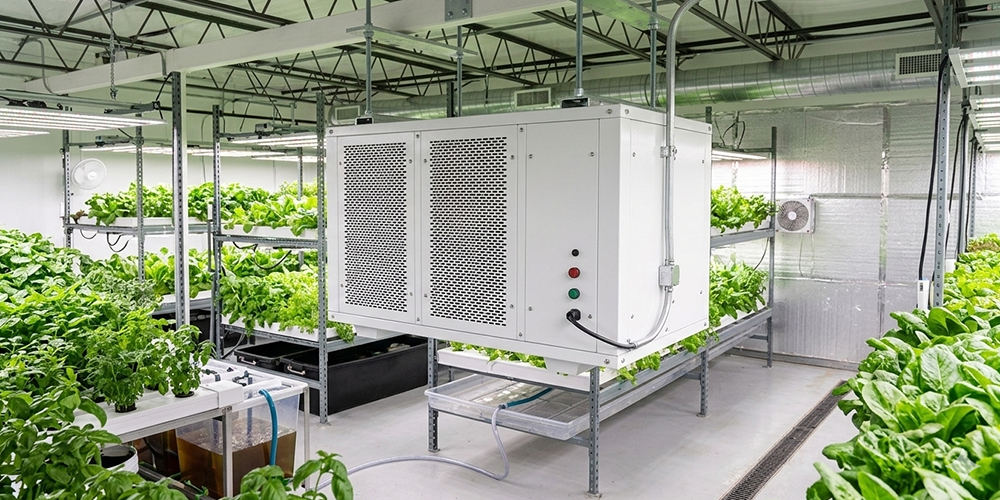
An industrial dehumidifier for greenhouse removes excess moisture from the air by pulling humid air through a refrigeration-based or desiccant system. The moisture condenses into water and is collected or drained away, while dry air is recirculated back into the grow space.
Key benefits include:
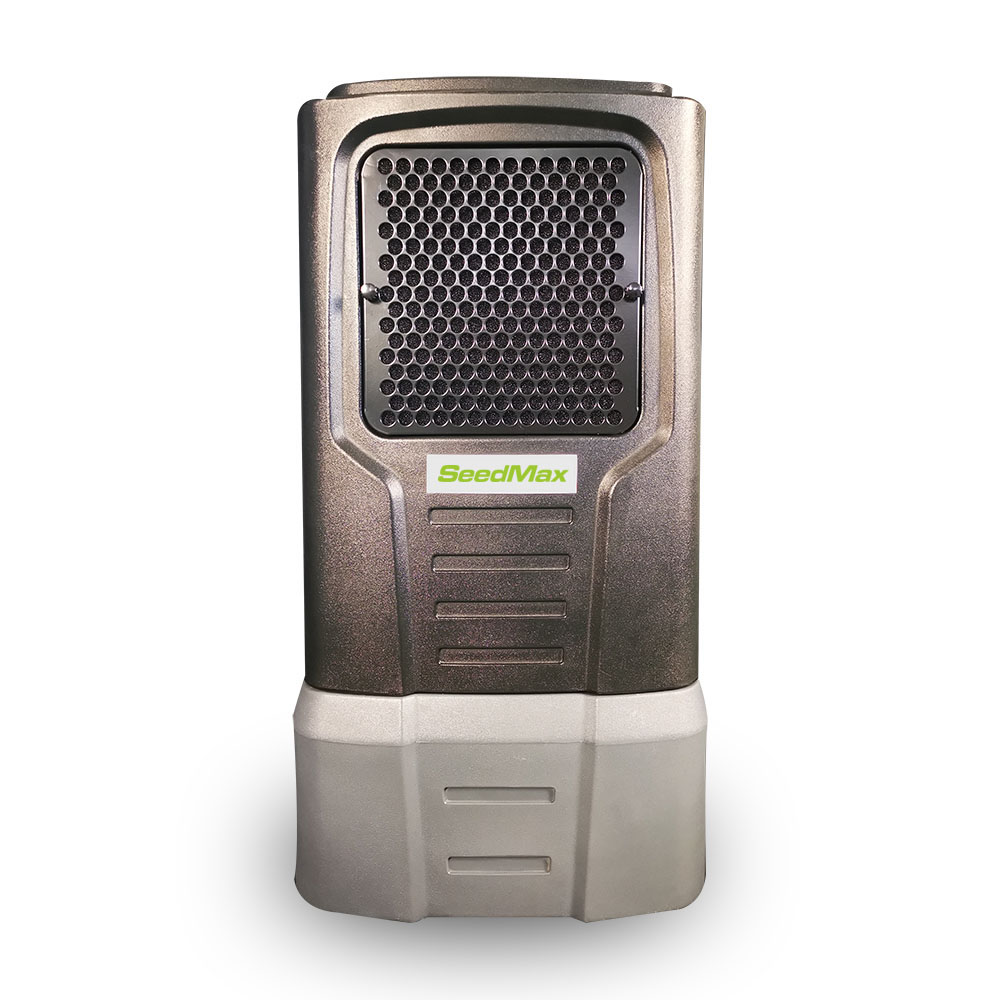
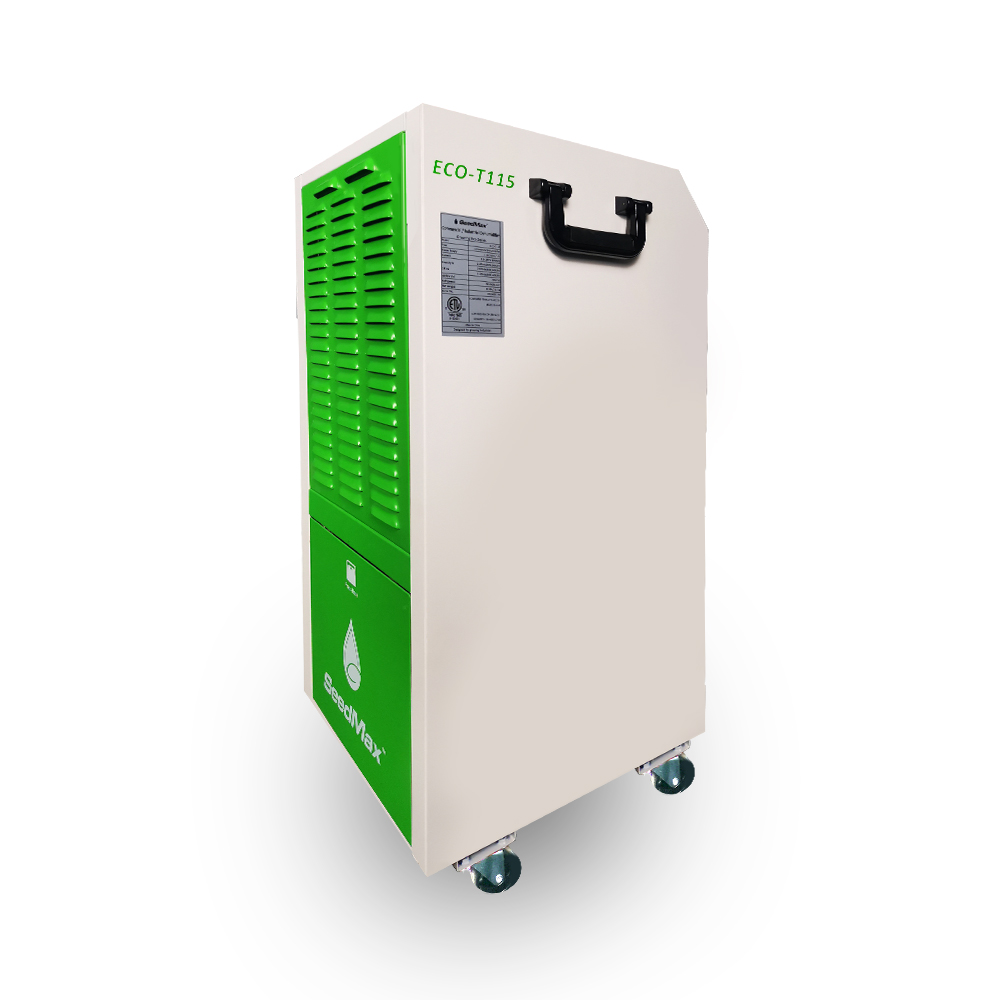
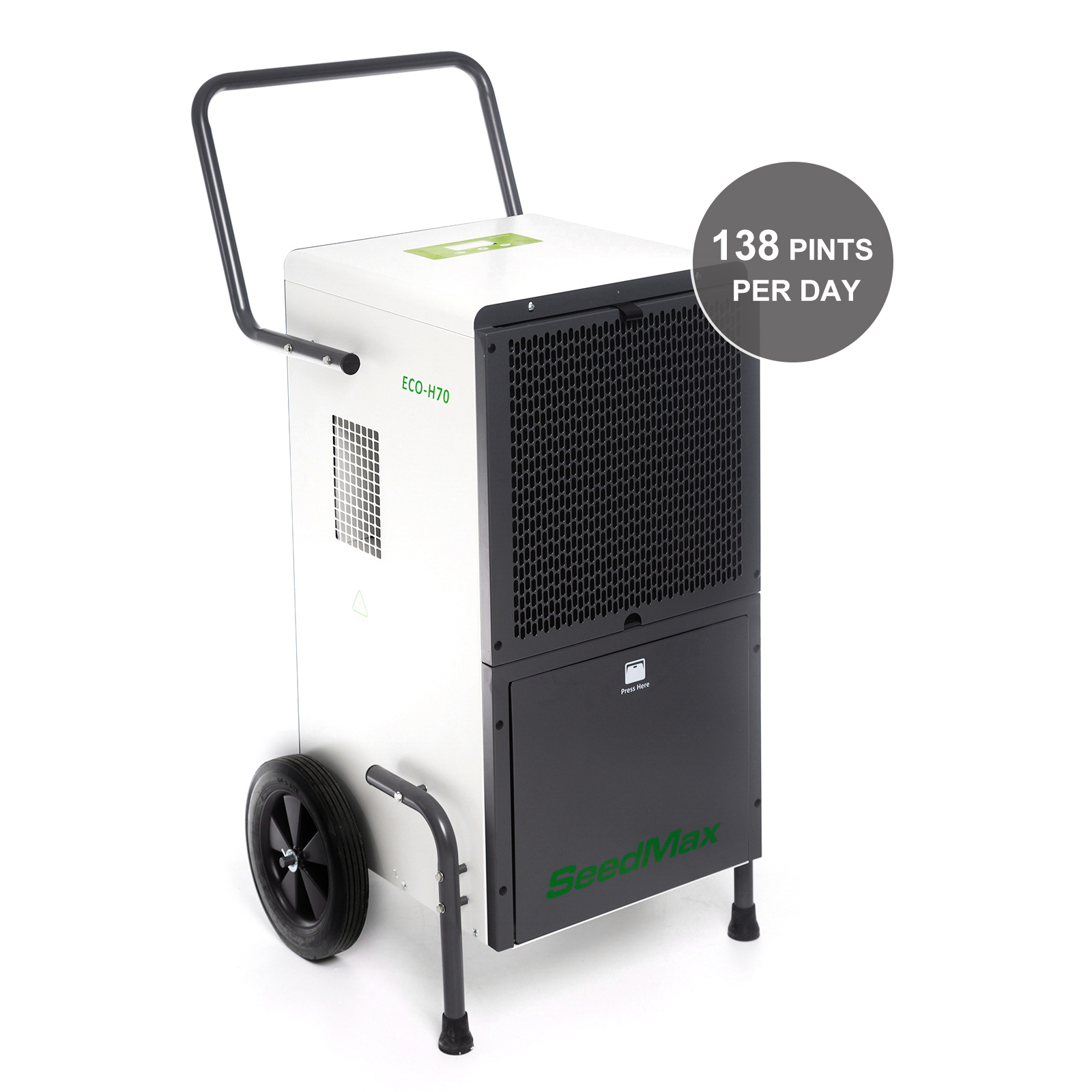
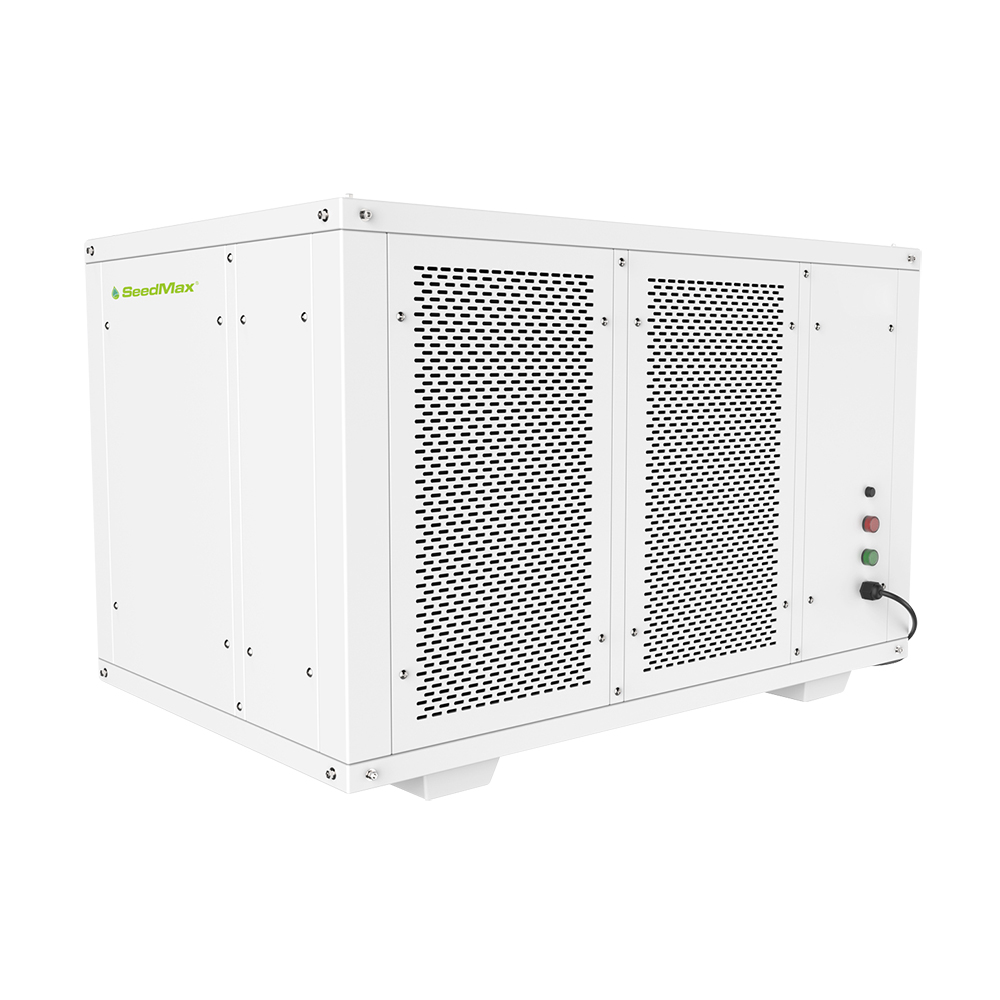
Seedmax dehumidifiers are specially designed for indoor cultivation. There are portable and ceiling-mounted dehumidifiers for your choice. The portable dehumidifier with sheet metal housing is easy to move and operate, which is good at dehumidifying a certain area. The ceiling-mounted dehumidifiers are usually arranged by professionals in large grow rooms. If you are a commercial grower troubled by damp problems, please get in touch with us immediately.
Choosing the correct capacity is essential for effective moisture control. Dehumidifiers are typically rated by pints per day (PPD) or liters per day of moisture removal.
When sizing a dehumidifier, growers should consider:
Grow room square footage;
Number and size of plants;
Irrigation frequency;
Temperature and lighting intensity;
Air exchange rate.
For example:
A small grow tent (50–100 sq ft) may require a 30–50 PPD unit.
A medium grow room (200–500 sq ft) might need 70–120 PPD.
A large commercial cultivation area often uses industrial greenhouse dehumidifiers capable of 300+ PPD moisture removal.
Oversizing slightly is often recommended because plant transpiration increases dramatically during flowering or peak growth stages.
Today’s indoor farms frequently use automated climate control systems. Advanced industrial dehumidifiers can integrate with these systems to optimize performance.
Common features include:
External humidity sensors for accurate monitoring;
Automatic humidity setpoints to maintain stable RH levels;
Continuous drainage systems for large grow facilities;
Low-temperature operation, allowing effective dehumidification even in cooler environments.
When connected to a central controller, the dehumidifier can work alongside HVAC systems, fans, and CO₂ enrichment to create a fully optimized growing climate.
To maximize efficiency and plant health, growers should follow several operational practices:
Typical humidity targets include:
Seedling stage: 65–70% RH
Vegetative stage: 55–65% RH
Flowering stage: 40–50% RH
As indoor farming technologies evolve, precision climate management will become even more important. Vertical farms, controlled environment agriculture (CEA), and commercial grow facilities increasingly rely on advanced dehumidification systems to maintain stable humidity levels and maximize crop performance.
By integrating efficient dehumidifiers with automated environmental controls, growers can reduce disease risk, increase yield consistency, and create ideal conditions for modern indoor plant cultivation.
Humidity control is a fundamental component of successful indoor planting. A well-designed dehumidification system not only protects plants from disease but also supports optimal transpiration, nutrient uptake, and overall crop quality.
For both hobby growers and commercial cultivators, investing in a reliable dehumidifier is a practical step toward building a stable, productive indoor growing environment.
 Hangzhou Hongtai Electrical Appliance Co., Ltd.
 info@seedmaxtech.com