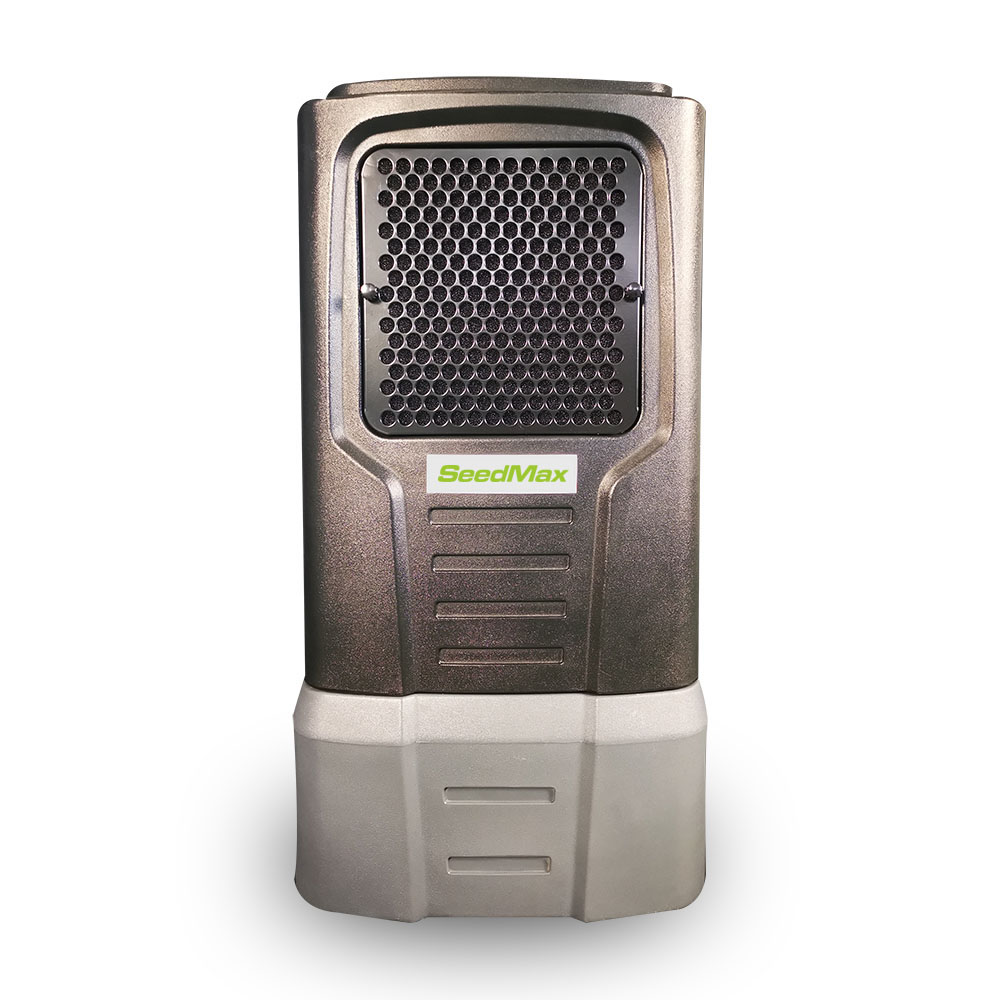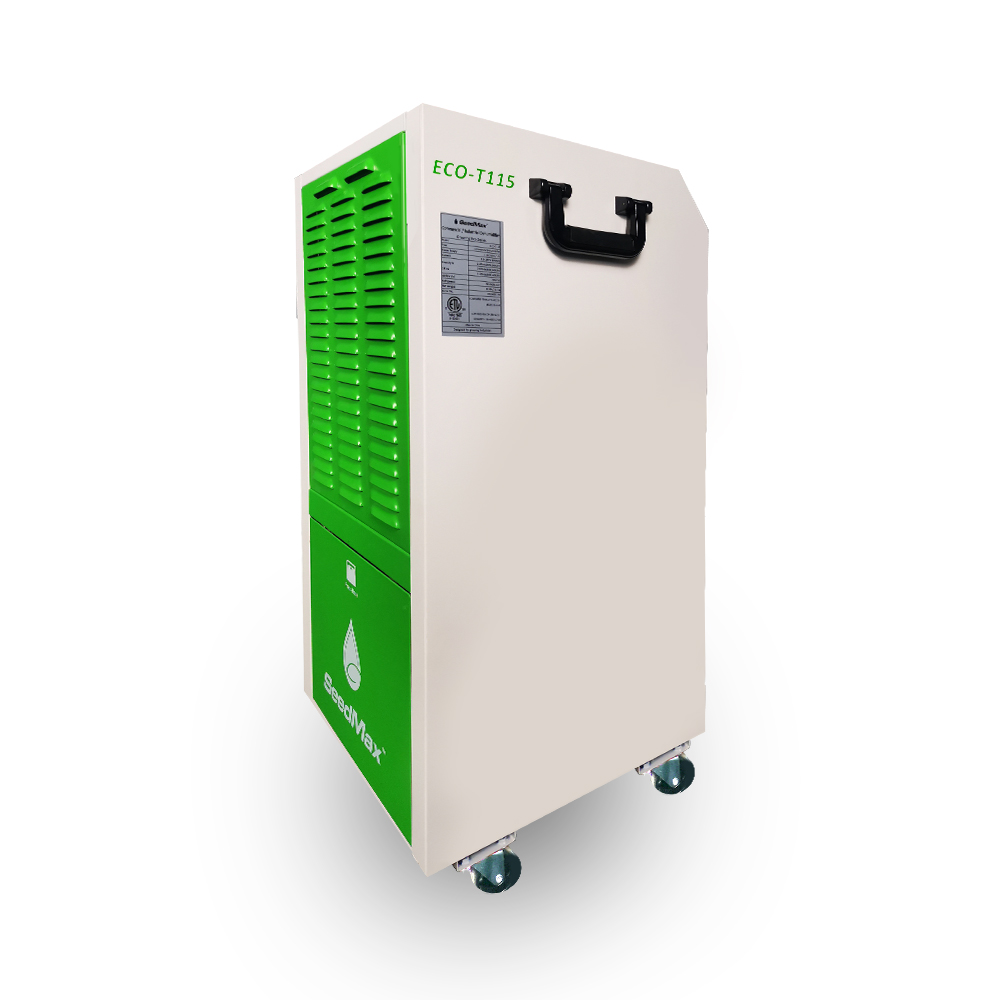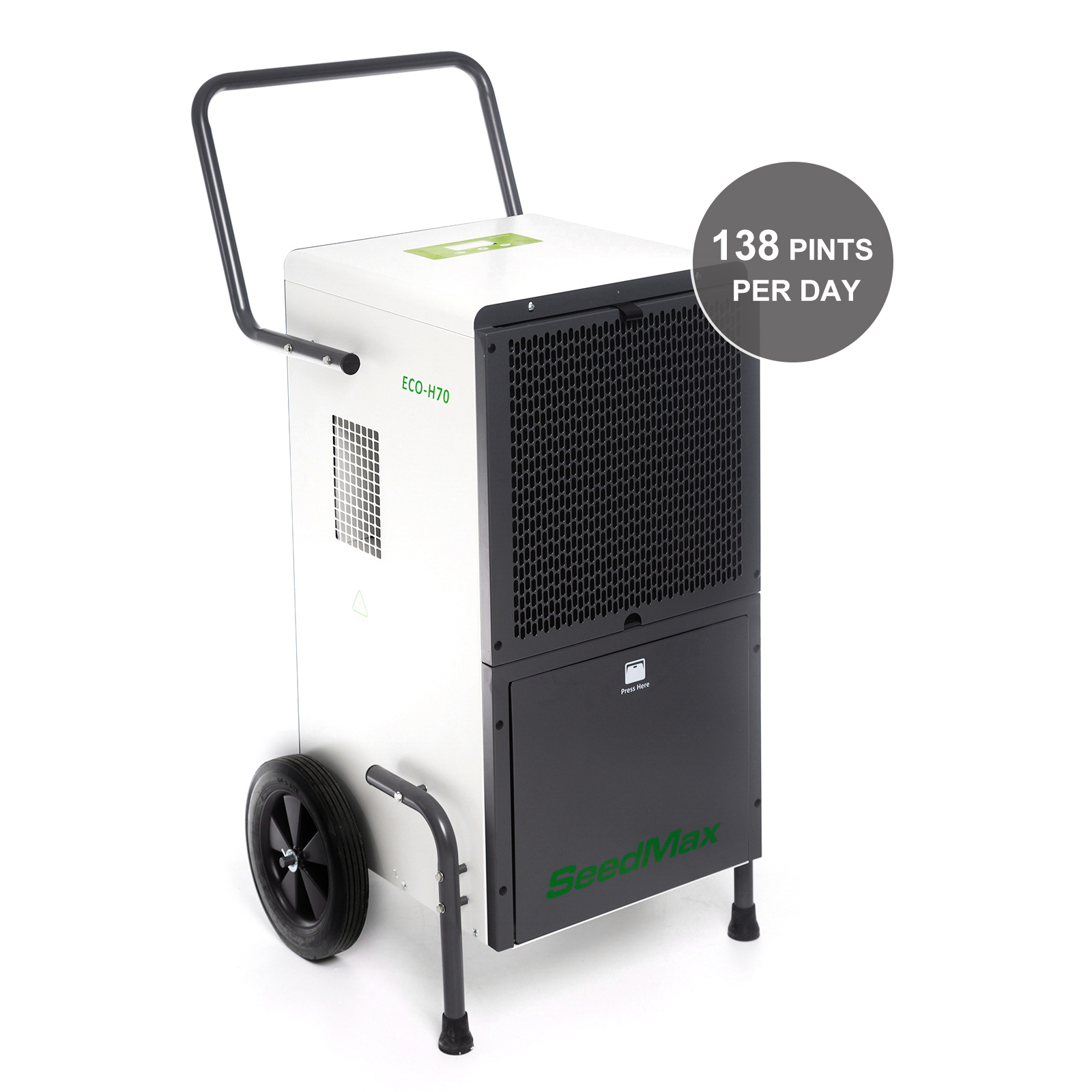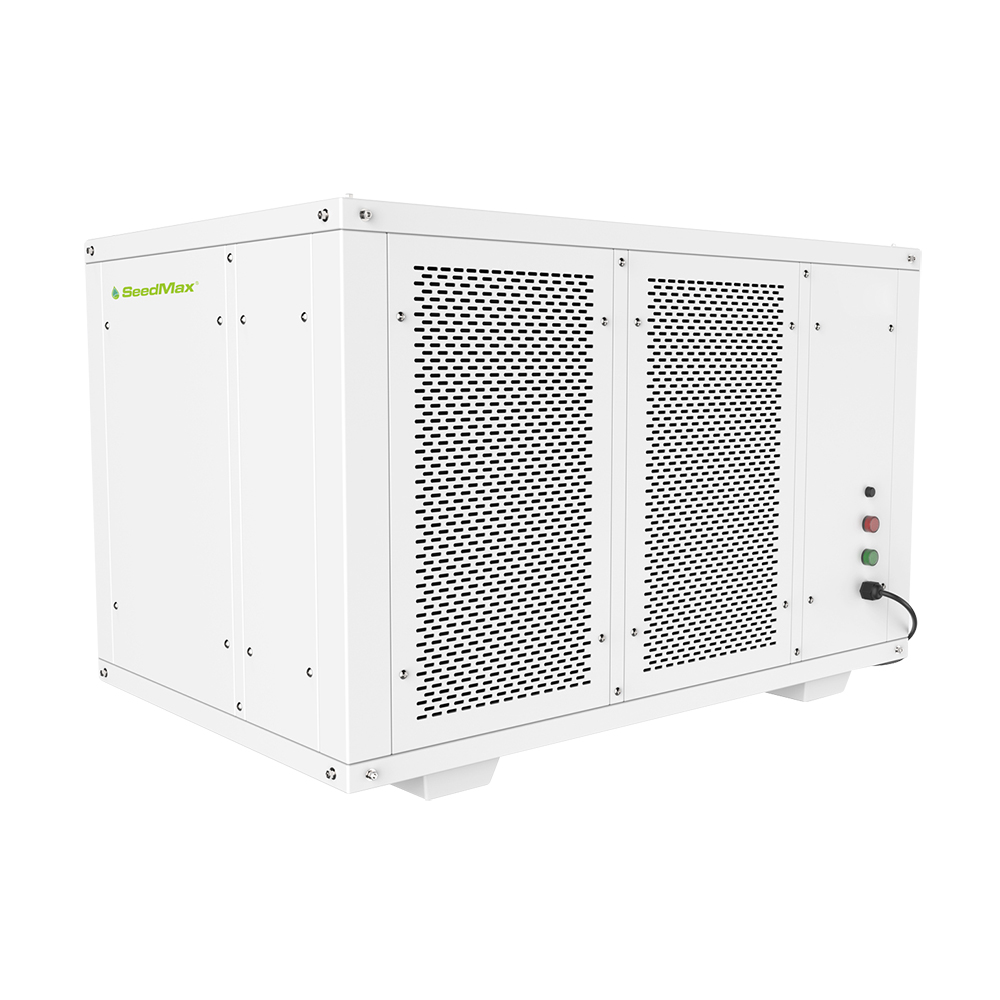
In a sealed grow room, a dehumidifier is one of the most important pieces of environmental control equipment. Since fresh outdoor air is not regularly exchanged, moisture released by plants through transpiration remains inside the room and can quickly raise relative humidity (RH) to undesirable levels.
Plants continuously release water vapor into the air. Without proper humidity control, excessive moisture can lead to:
Mold and mildew growth
Bud rot during flowering
Powdery mildew outbreaks
Reduced plant growth and yield
Increased risk of pests
Difficulty maintaining optimal VPD (Vapor Pressure Deficit)
A dehumidifier removes excess moisture and helps create a stable growing environment.
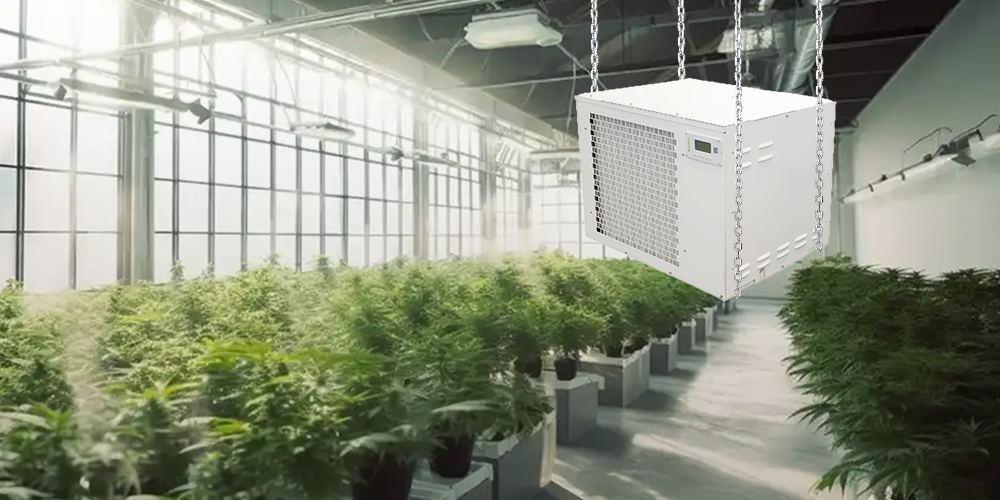
For most sealed grow rooms, the commercial greenhouse dehumidifier should operate automatically based on humidity levels rather than on a fixed schedule.
Recommended humidity ranges:
|
Growth Stage |
Recommended RH |
|
Seedling |
65%–75% |
|
Vegetative |
55%–70% |
|
Early Flower |
45%–55% |
|
Late Flower |
40%–50% |
The dehumidifier for a grow tent should turn on whenever humidity exceeds the target range for the current growth stage.
For maximum efficiency:
Position the dehumidifier where airflow is unrestricted.
Avoid placing it directly under irrigation emitters or near standing water.
Keep it away from plant canopies that may block air intake.
Use circulation fans to distribute dry air evenly throughout the room.
Ensure the condensate drain is properly connected for continuous operation.
In sealed cultivation environments, dehumidifier capacity should be matched to plant transpiration rates, lighting intensity, and room size.
As a general guideline:
Small grow rooms: 50–100 pints/day
Medium grow rooms: 100–300 pints/day
Commercial grow rooms: 300+ pints/day
High-density cannabis cultivation often requires commercial-grade dehumidifiers capable of operating continuously.
For optimal performance, connect the dehumidifier to:
Humidity controllers
HVAC systems
Environmental monitoring systems
Modbus or smart building controls (if supported)
Integrated control allows precise humidity management while minimizing energy consumption.
A sealed grow room cannot maintain ideal growing conditions without effective moisture control. Running a properly sized dehumidifier helps prevent disease, protect crop quality, maintain target VPD levels, and maximize yields. For commercial cultivation facilities, selecting a dehumidifier designed for continuous-duty operation is essential to achieving consistent environmental conditions throughout the entire grow cycle.
 Hangzhou Hongtai Electrical Appliance Co., Ltd.
 info@seedmaxtech.com