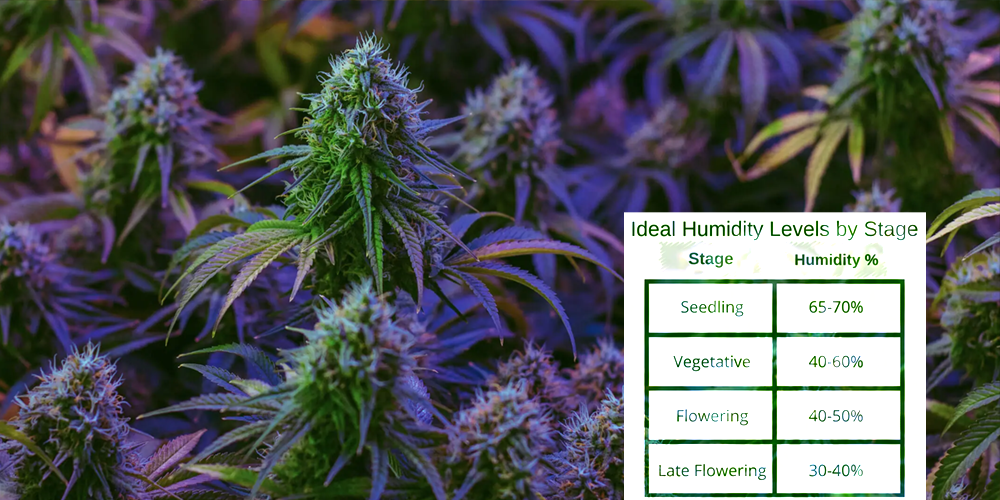
The ideal humidity for flowering weed (cannabis) is lower than in the vegetative stage, because dense buds are highly vulnerable to mold and rot.
40–45% RH (sometimes as low as 35–40% for dense strains)
1. Prevents Mold and Bud Rot
Thick flowers trap moisture internally. High humidity creates ideal conditions for botrytis (bud rot) and mildew, which can destroy an entire crop.
2. Improves Resin and Terpene Production
Slightly drier air encourages plants to produce more trichomes (resin glands) as a protective response, enhancing potency and aroma.
3. Supports Proper Transpiration
Balanced humidity ensures plants can transpire efficiently, maintaining nutrient uptake and overall health.
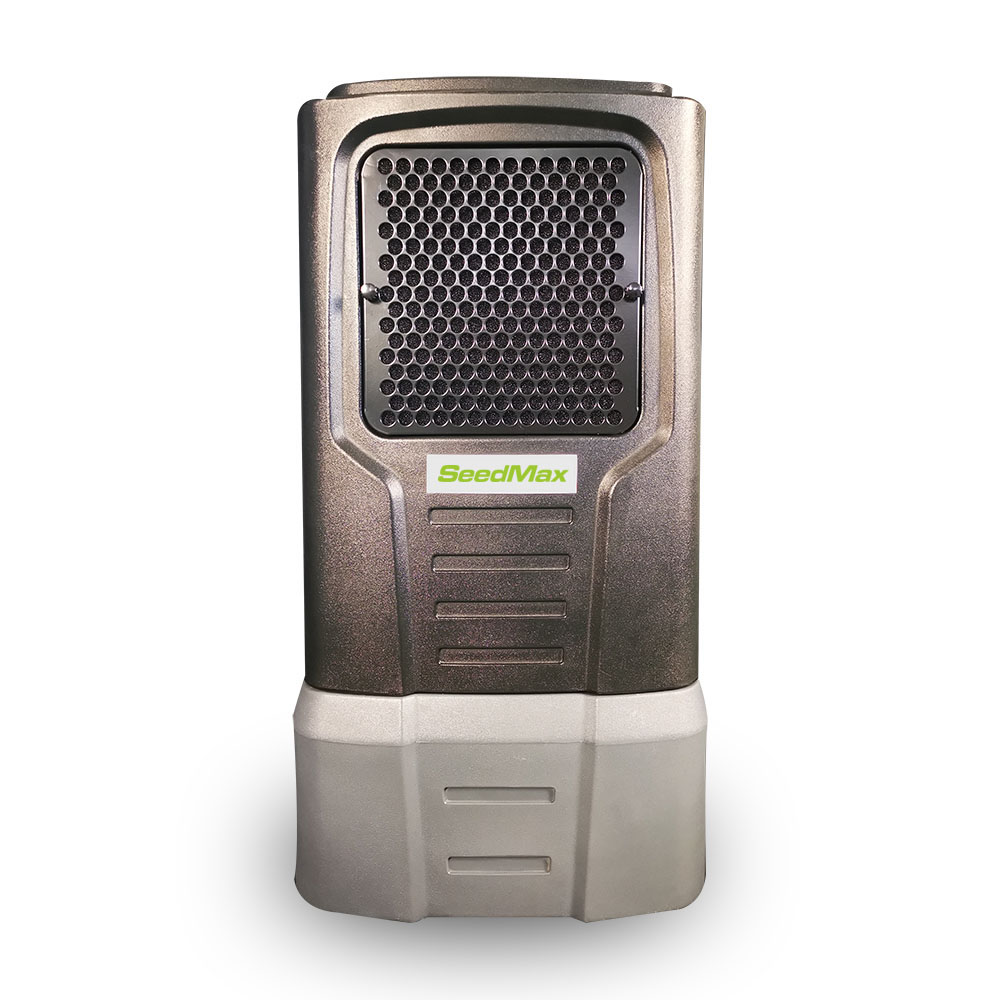
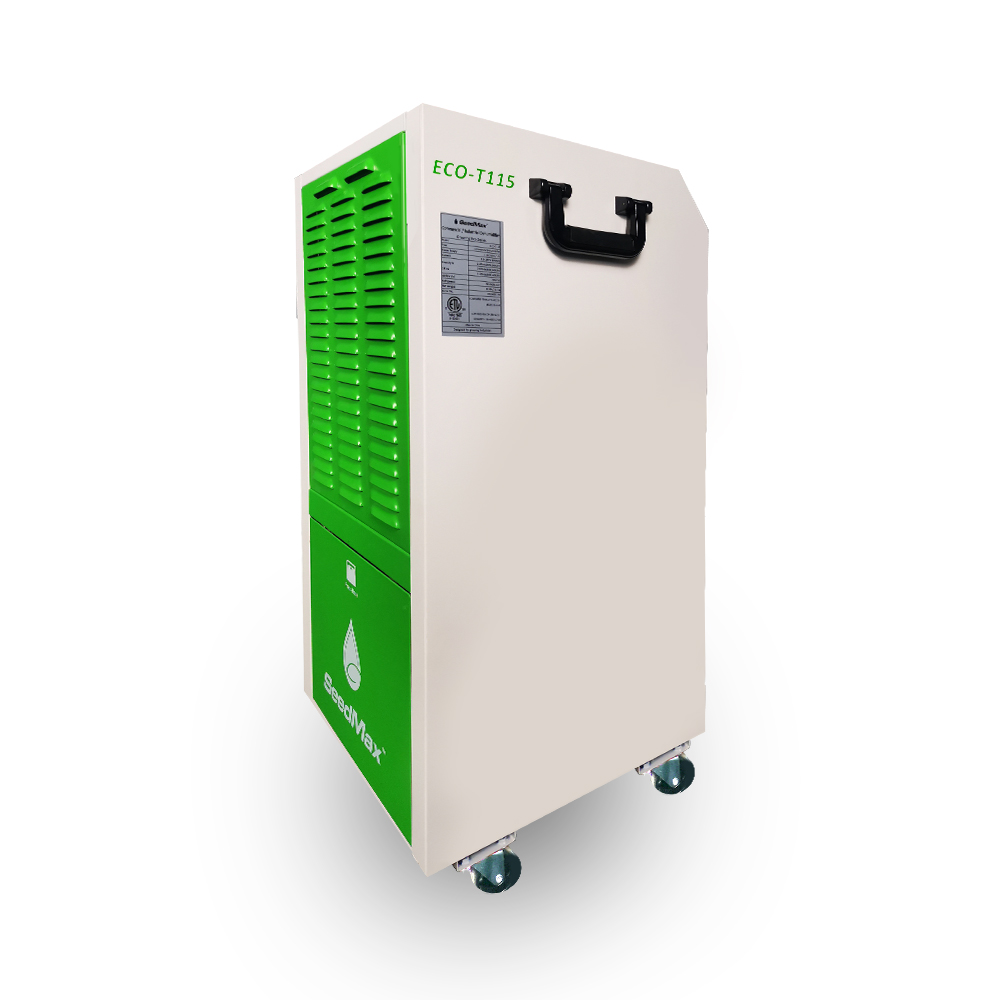
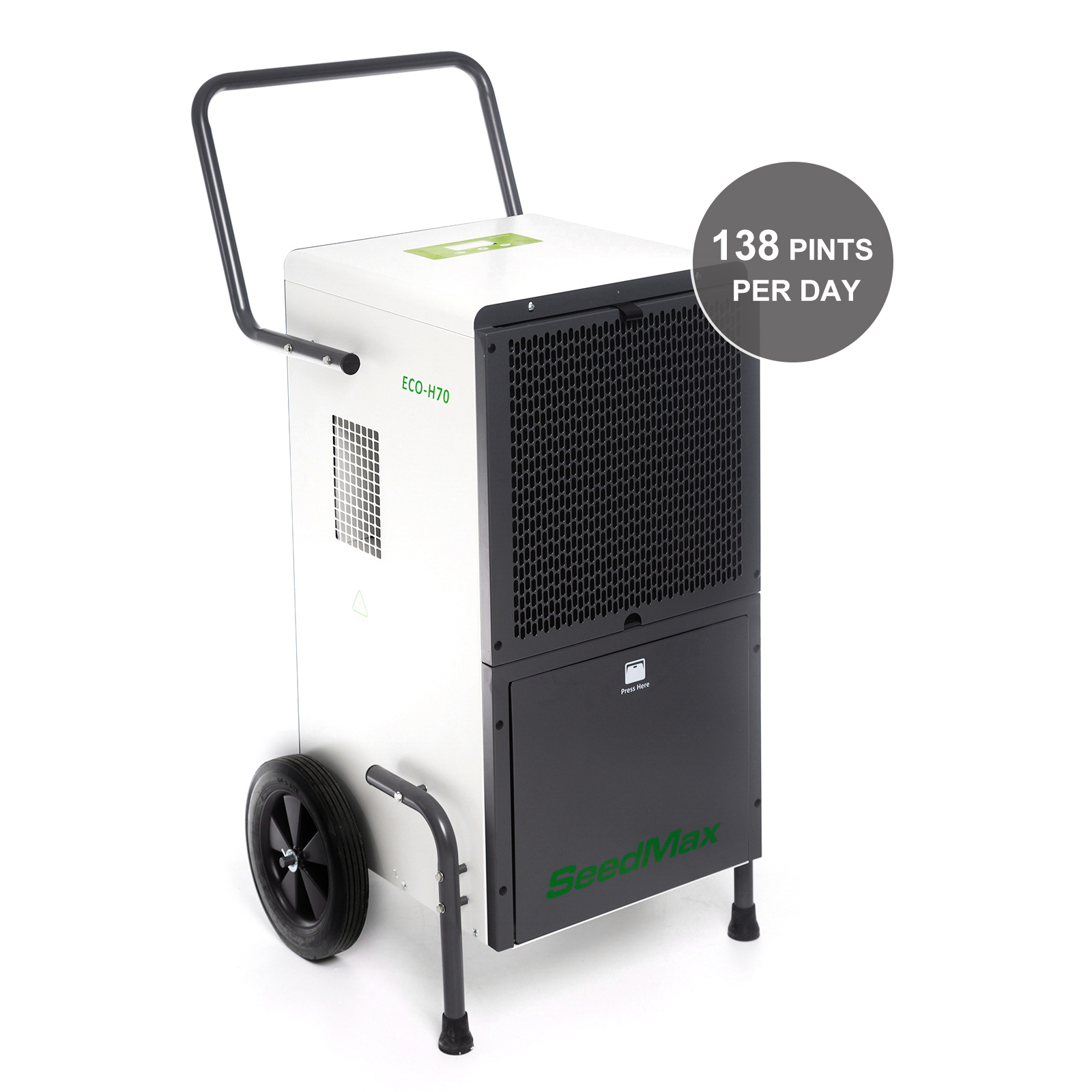
Humidity should be gradually reduced as flowering progresses—not dropped suddenly—to avoid plant stress. Use a greenhouse dehumidifier to maintain stability, especially in sealed grow rooms.
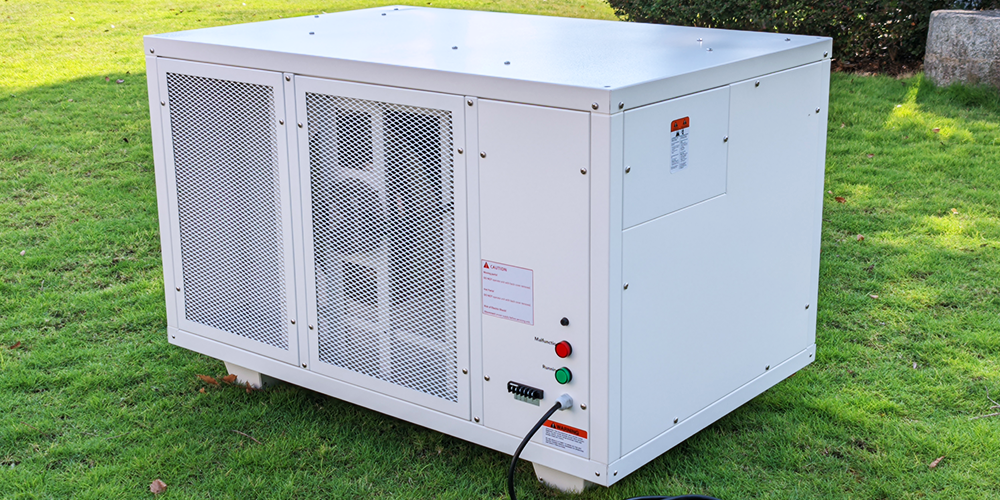
Sizing dehumidification for a 10,000 sq ft commercial grow room is fundamentally a moisture load calculation, not just a floor-area rule. In cannabis cultivation, the dominant load comes from plant transpiration.
1. Estimate Moisture Load
A standard engineering assumption:
Example Calculation
10,000 sq ft ÷ 4 sq ft/plant ≈ 2,500 plants
2. Required Dehumidification Capacity
To maintain stable RH (40–50% in flowering), you should size for:
Peak load + safety margin (~20%)
Final Target Capacity:
12,000–24,000 PPD total capacity
3. Number of Dehumidifiers
This depends on the unit size you select.
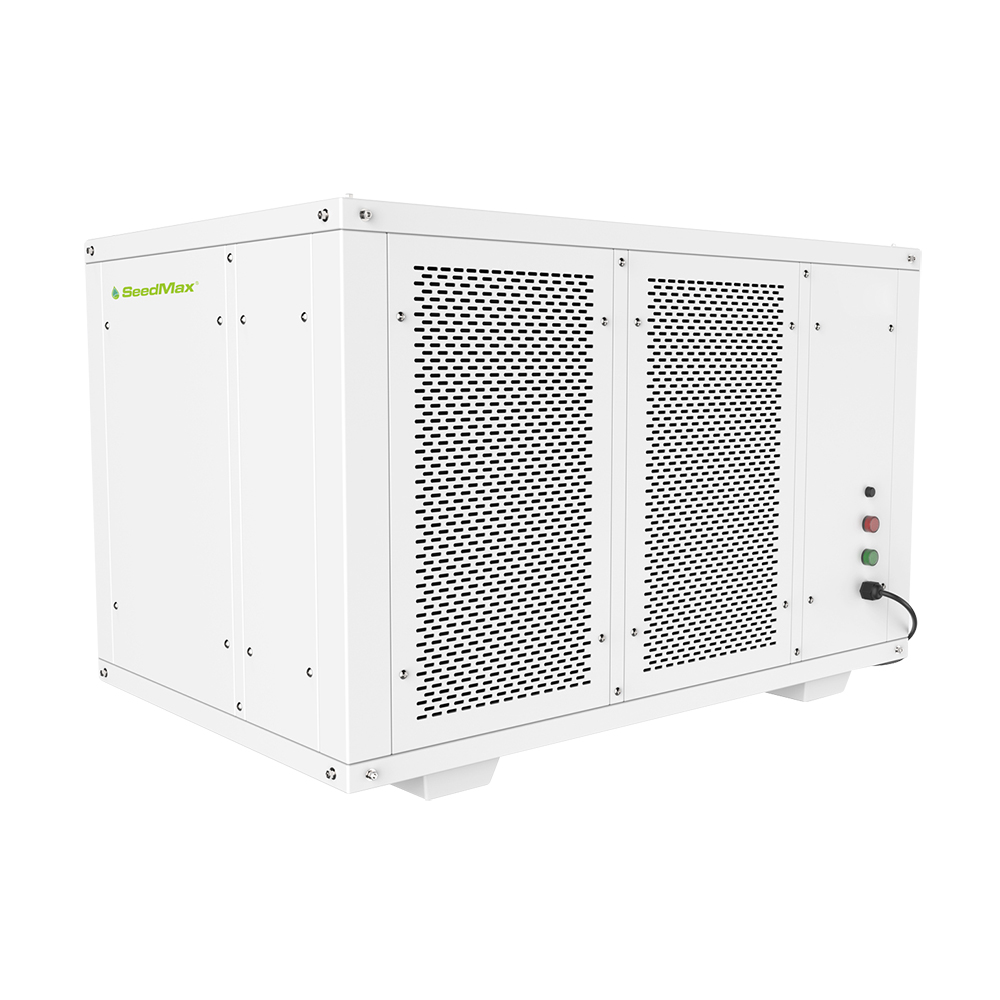
Typical unit: 500–700 PPD commercial ceiling mount dehumidifiers
Quantity:
12,000 PPD ÷ 500 ≈ 24 units
24,000 PPD ÷ 500 ≈ 48 units
4. Design Considerations
Airflow & Distribution
Dehumidifiers must align with HVAC air circulation
Avoid dead zones → prevents microclimates and mold
Irrigation Method
Hydroponics: higher transpiration → size toward upper range
Soil: slightly lower load
Lighting Load
High-intensity lighting (HPS/LED) increases transpiration
Sealed vs Vented Room
Sealed rooms: require full dehumidification capacity
Ventilated rooms: may reduce requirement slightly
5. Practical Industry Rule of Thumb
For flowering cannabis:
1.2–2.0 PPD per sq ft
The above content is an estimated plan. If you are a grower, please send me an email with the size of your growing room, the number of plants, and humidity requirements. I will provide you with a customized plan.
 Hangzhou Hongtai Electrical Appliance Co., Ltd.
 info@seedmaxtech.com