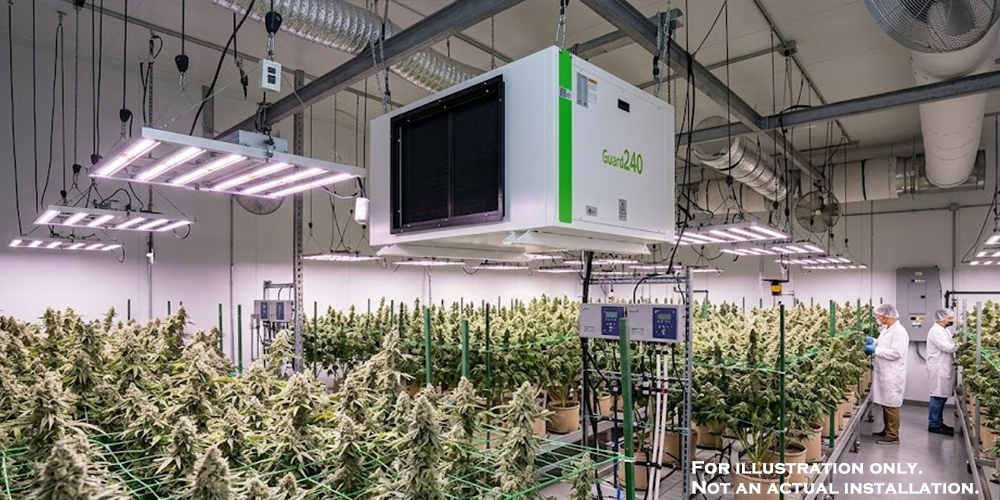
Maintaining proper humidity during the flowering stage is critical for maximizing yield, resin production, and flower quality while preventing mold and bud rot.
|
Growth Stage |
Relative Humidity (RH) |
|
Early Flowering (Weeks 1–3) |
50–60% RH |
|
Mid Flowering (Weeks 4–6) |
45–55% RH |
|
Late Flowering (Weeks 7–Harvest) |
40–50% RH |
|
Final 1–2 Weeks Before Harvest |
35–45% RH |
As buds become larger and denser, lowering humidity helps reduce the risk of fungal diseases such as Botrytis (bud rot) and powdery mildew.
Many commercial growers use Vapor Pressure Deficit chart (VPD) instead of RH alone.
Typical flowering VPD targets:
|
Flowering Stage |
VPD Range |
|
Early Flower |
1.0–1.2 kPa |
|
Mid Flower |
1.2–1.4 kPa |
|
Late Flower |
1.4–1.6 kPa |
Maintaining the correct VPD encourages efficient transpiration, nutrient uptake, and resin development.
Increased risk of bud rot
Higher chance of powdery mildew
Reduced airflow within dense flowers
Potential loss of harvest quality
Plant stress
Reduced growth rate
Excessive transpiration
Potential reduction in yield
|
Condition |
Day |
Night |
|
Temperature |
68–80°F (20–27°C) |
64–75°F (18–24°C) |
|
Relative Humidity |
40–55% RH |
40–50% RH |
Avoid large temperature swings between day and night, as they can cause condensation on flowers.
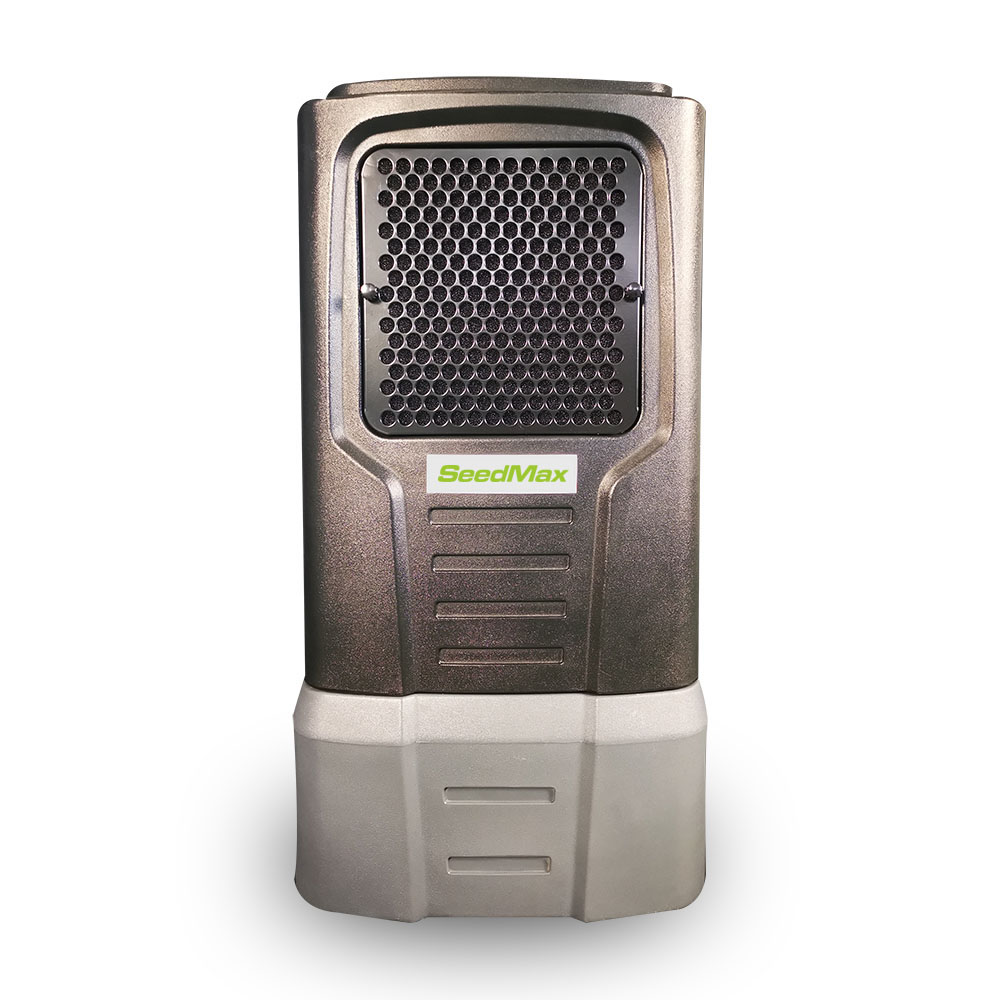
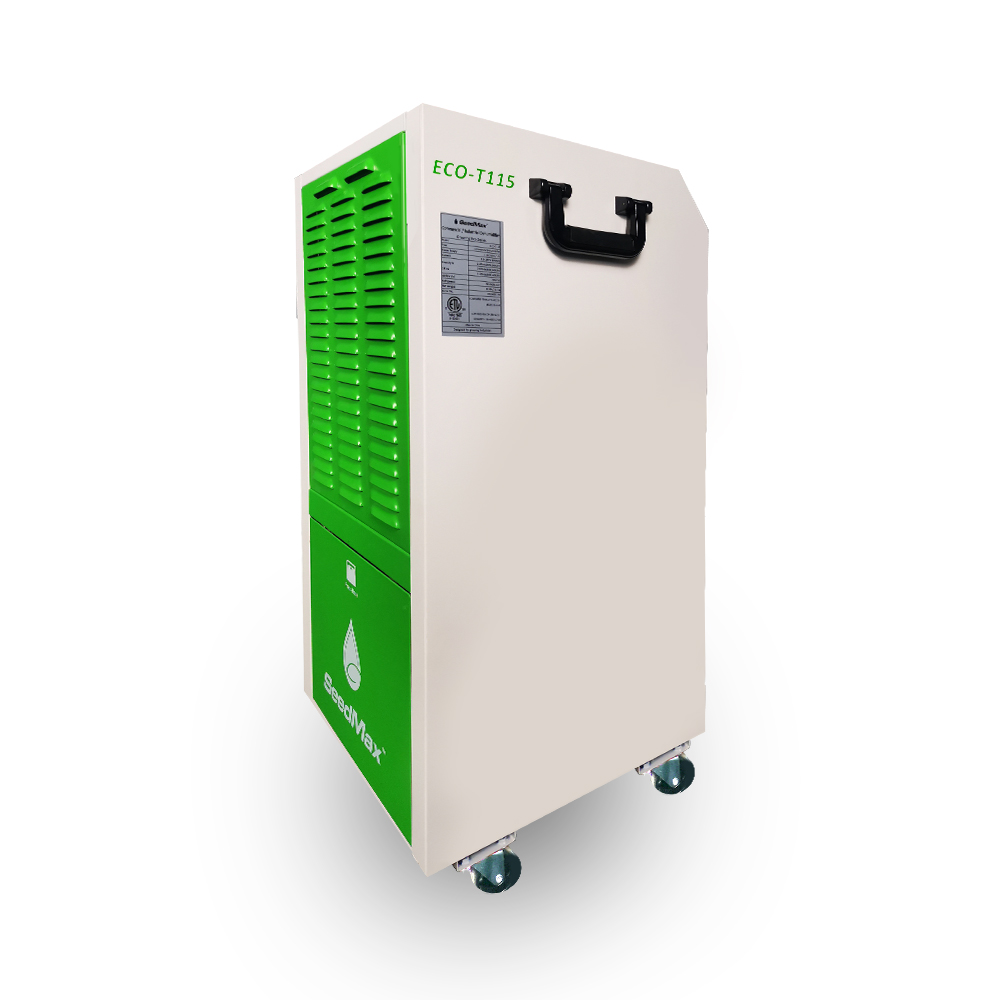
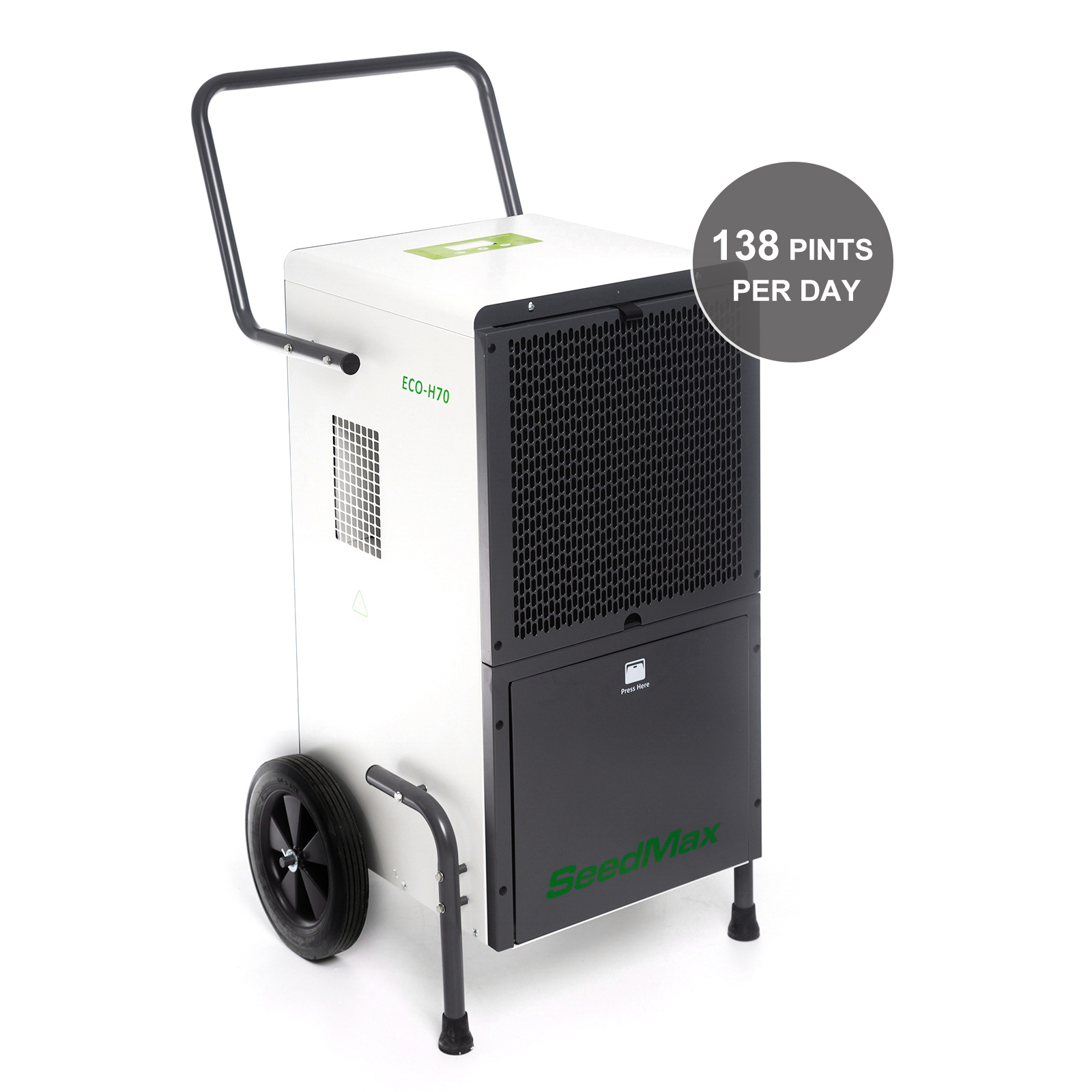
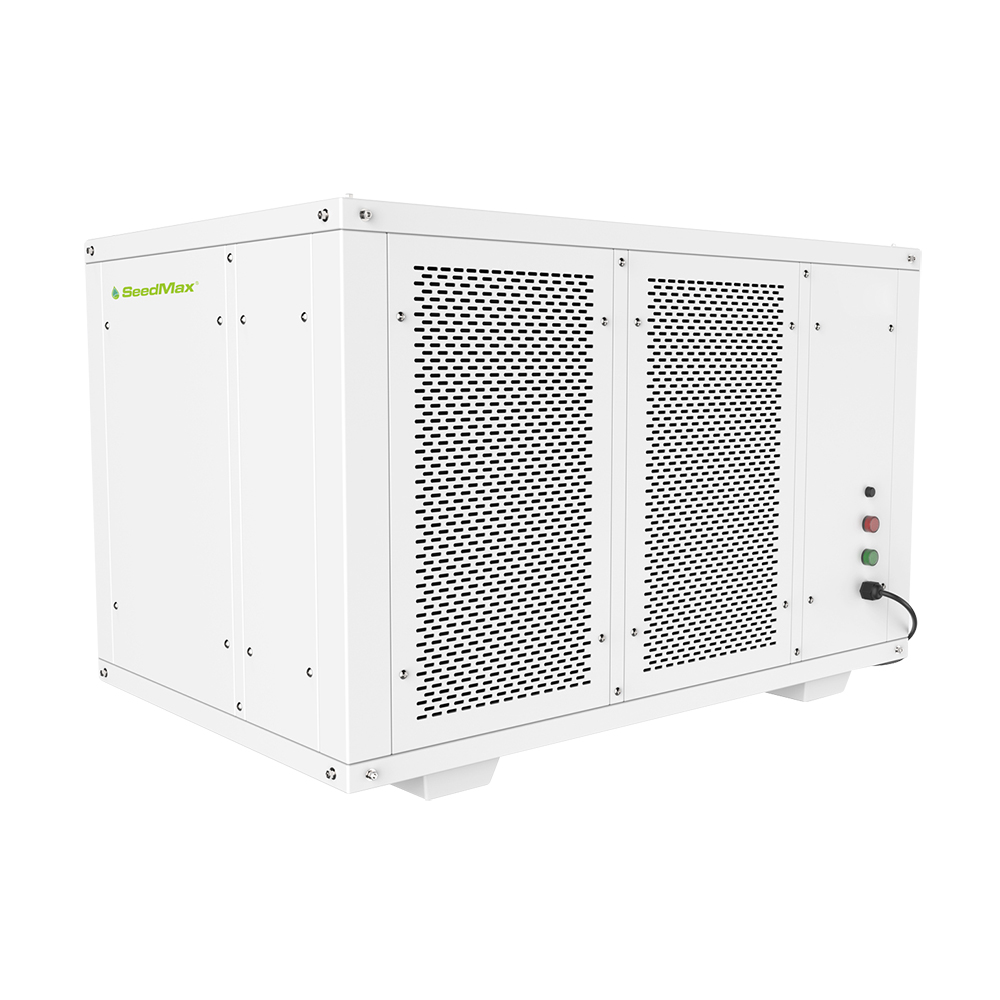
A dehumidifier for grow room is often necessary when:
Growing in humid climates
Cultivating large numbers of plants
Using sealed grow rooms
Entering late flowering stages
Lights turn off and humidity spikes
For commercial cultivation facilities, growers commonly maintain 40–50% RH during late flowering using dedicated grow room dehumidifiers integrated with environmental controllers.
Weeks 1–3: 50–60% RH
Weeks 4–6: 45–55% RH
Weeks 7–Harvest: 40–50% RH
Last 1–2 Weeks: 35–45% RH
Keeping humidity within these ranges helps produce dense, high-quality flowers while minimizing the risk of mold and disease during the most valuable stage of the crop cycle.
 Hangzhou Hongtai Electrical Appliance Co., Ltd.
 info@seedmaxtech.com