High humidity inside a grow tent can lead to mold, mildew, weak transpiration, nutrient problems, and bud rot—especially during the flowering stage. For cannabis cultivation, keeping humidity under control is essential for healthy plant growth and higher yields.
The target relative humidity (RH) changes as plants mature:
|
Growth Stage |
Recommended Humidity |
|
Seedlings |
65–75% RH |
|
Vegetative Stage |
50–70% RH |
|
Early Flowering |
40–50% RH |
|
Late Flowering |
35–45% RH |
Several factors can cause excess moisture, such as poor ventilation, overwatering plants, high plant density, warm temperatures, standing water inside the tent, insufficient exhaust airflow, and lack of dehumidification equipment. When plants transpire, they release moisture continuously. In sealed or crowded grow tents, humidity can rise rapidly.
Good airflow is the first step in humidity control. You can use inline exhaust fans, oscillating fans, and passive or active intake vents. Fresh air exchange removes moist air and brings in drier air from outside the tent.
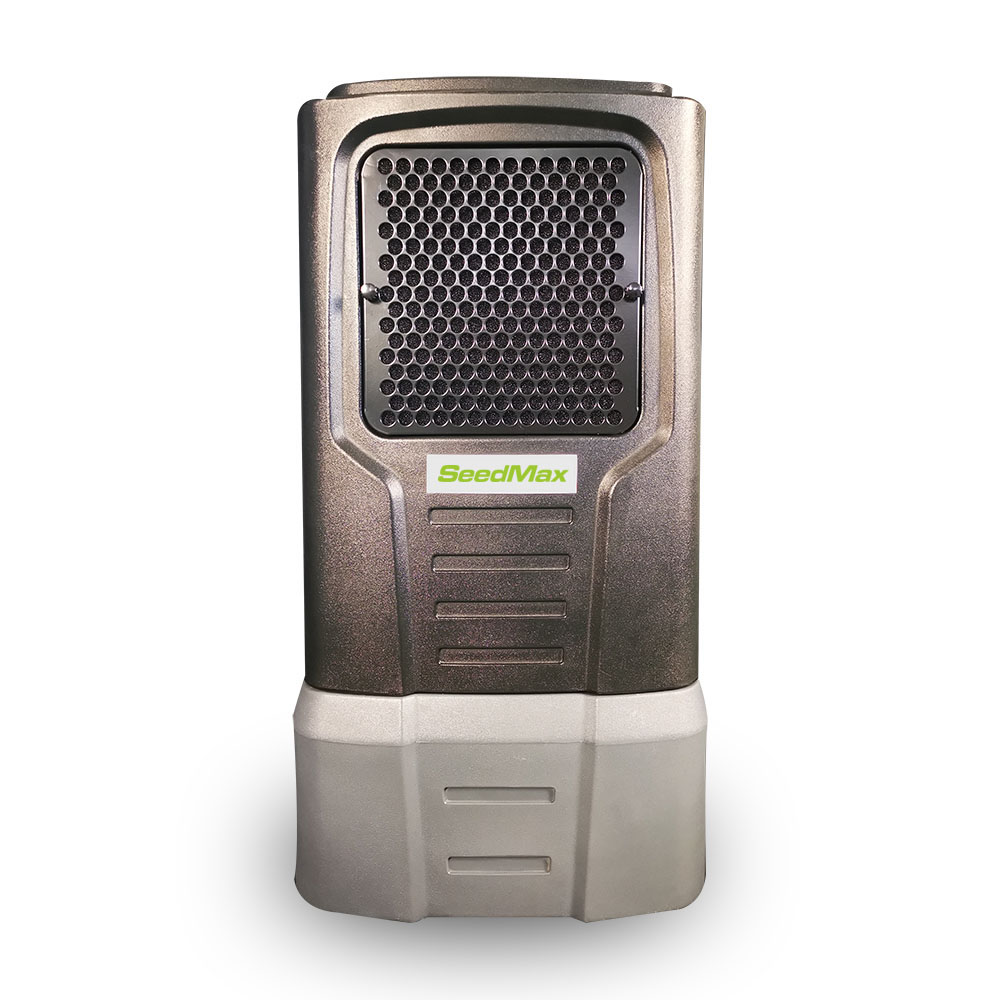
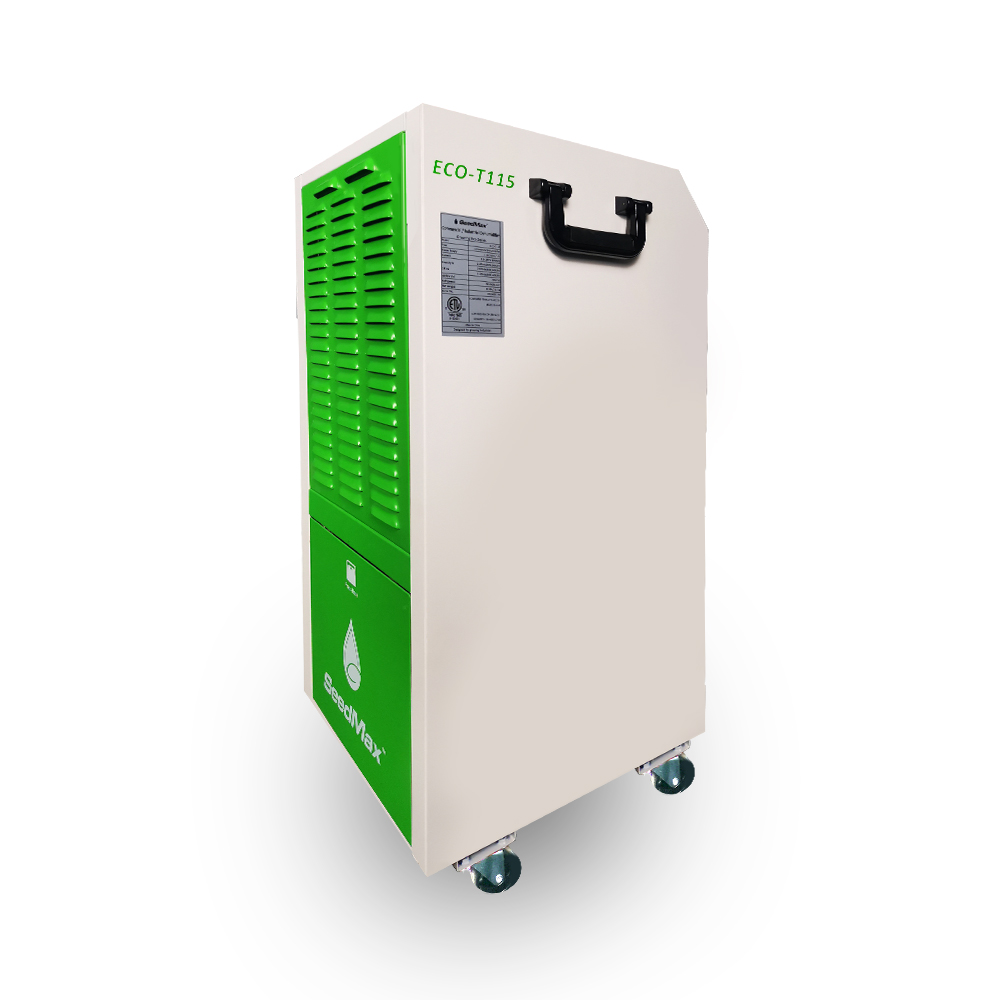
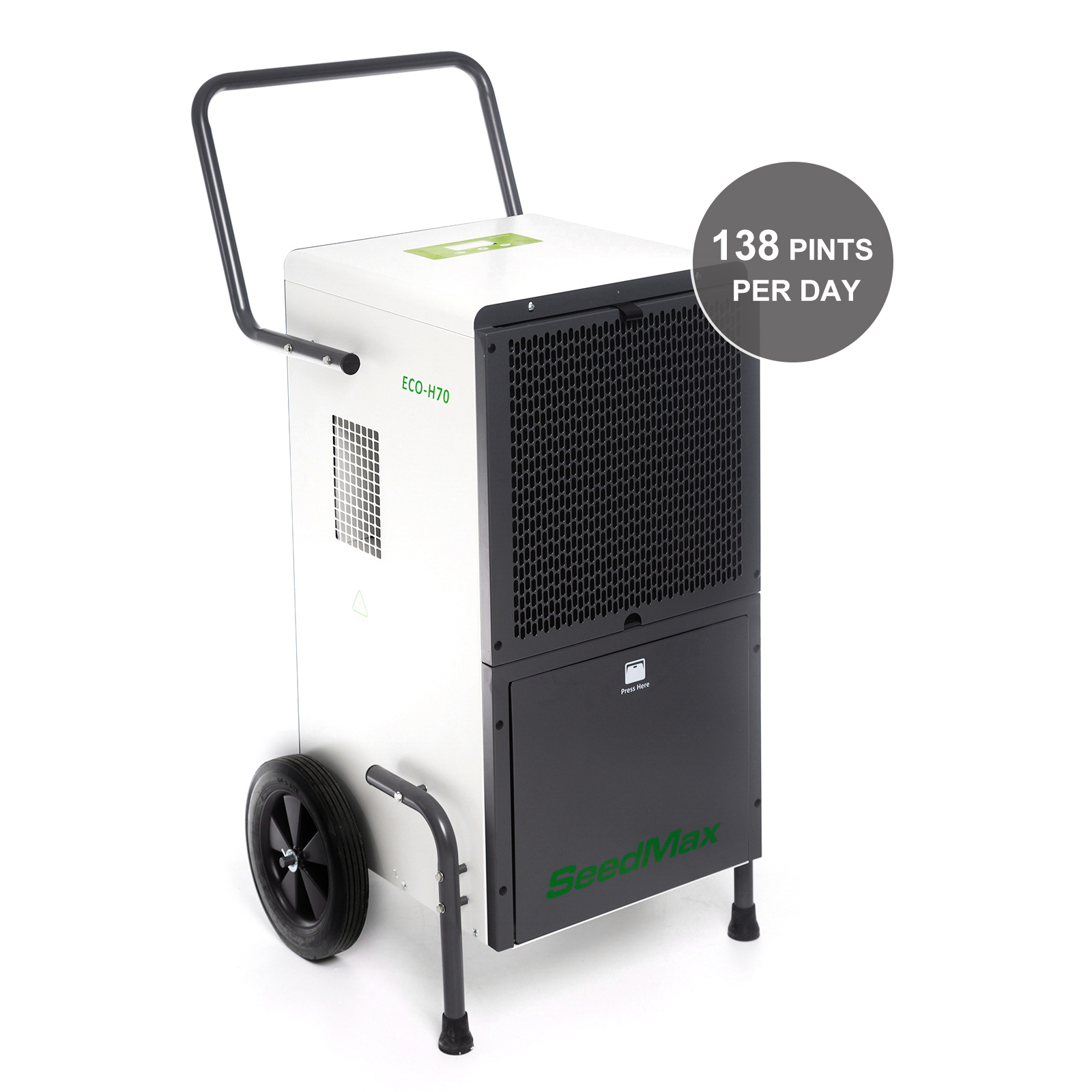
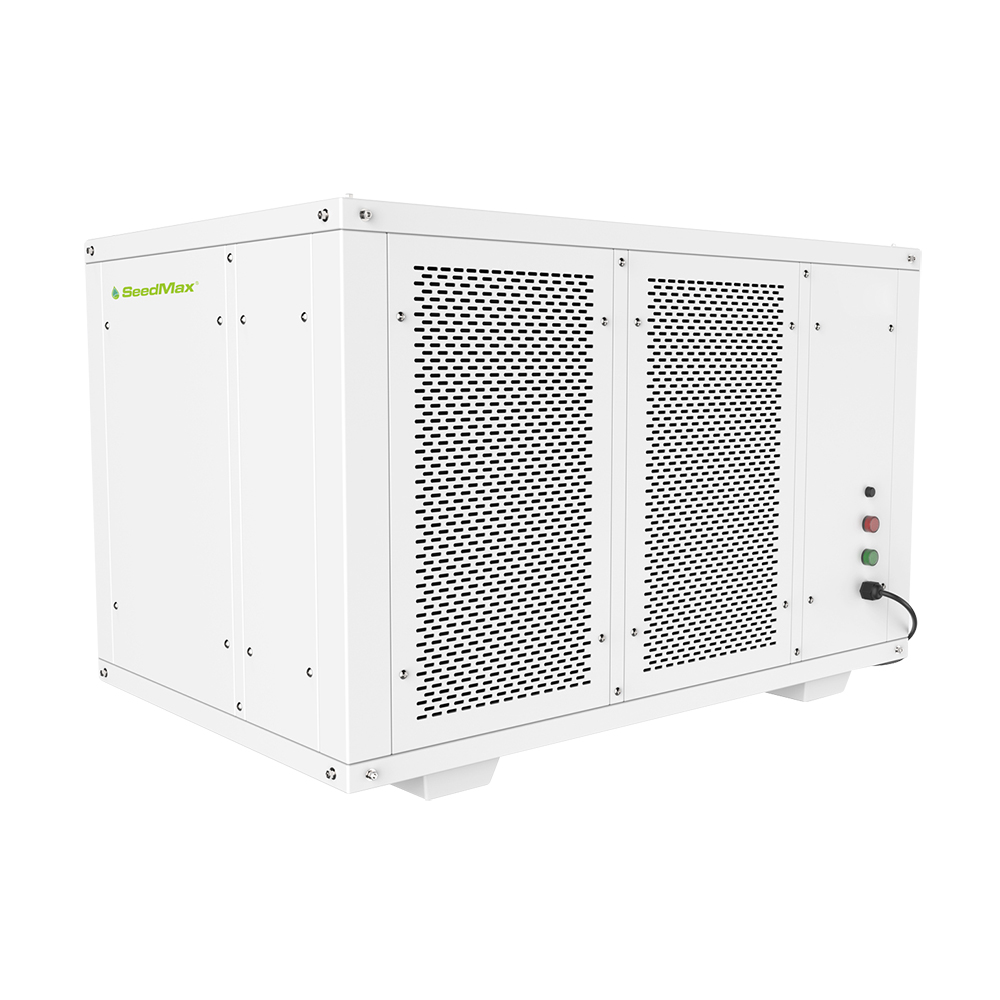
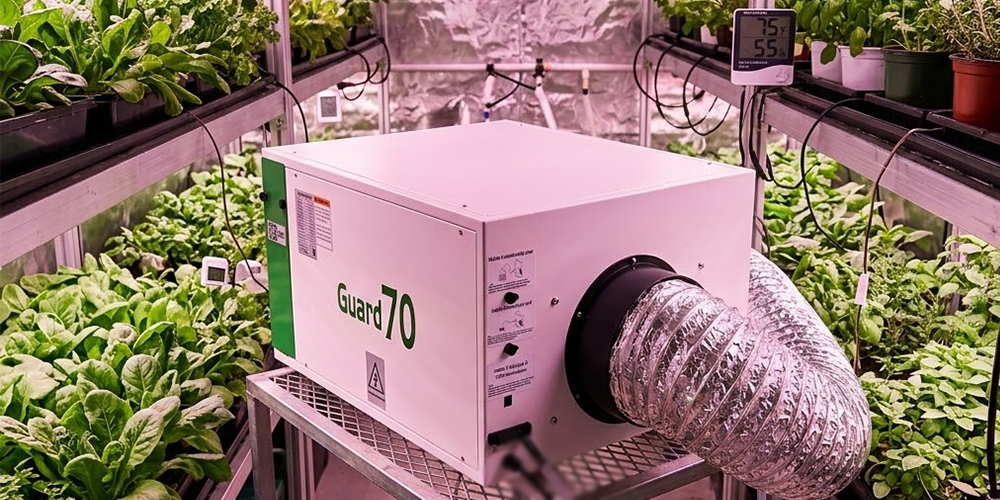
A dedicated grow room dehumidifier is the most effective solution for persistent humidity problems, especially during flowering. Commercial cultivation dehumidifiers can maintain stable RH levels, prevent condensation, reduce mold risk, and improve drying consistency. For larger tents or sealed grow rooms, a high-capacity dehumidifier is often necessary.
Air circulation prevents moisture pockets around leaves and buds. Place oscillating fans above the canopy, below the canopy, or near corners with stagnant air. Moving air helps moisture evaporate evenly.
Overwatering dramatically increases humidity. Best practices for growers, for example, water only when needed, avoid water runoff accumulation, water shortly after lights turn on, and remove standing water immediately. Plants absorb water more efficiently during the light cycle.
Dense canopies trap moisture and restrict airflow. You can prune lower branches, defoliate excessive leaves, and increase spacing between plants. Better airflow lowers localized humidity around buds.
Warm air holds more moisture. However, improper temperature management can increase condensation.
Recommended temperatures:
Vegetative stage: 70–85°F (21–29°C)
Flowering stage: 65–80°F (18–27°C)
Avoid large day/night temperature swings, which can cause moisture buildup.
If possible, direct exhaust air outdoors rather than into another indoor room. Recycling humid air back into the grow space reduces efficiency.
Watch for these warning signs, such as condensation on tent walls, musty odors, slow plant growth, curling leaves, powdery mildew, bud rot, and wet growing medium for extended periods.
Useful equipment includes Inline exhaust fans, carbon filters, oscillating fans, hygrometers, environmental controllers, and commercial dehumidifiers. A digital hygrometer helps monitor RH continuously so adjustments can be made quickly.
Lowering humidity in a grow tent requires balancing airflow, temperature, watering habits, and dehumidification. Small tents may only need stronger ventilation, while larger or sealed grow environments often require dedicated grow room dehumidifiers.
 Hangzhou Hongtai Electrical Appliance Co., Ltd.
 info@seedmaxtech.com