Maintaining the right humidity level is one of the most important aspects of successful indoor cultivation. Excess humidity inside a grow tent can lead to mold, mildew, bud rot, slow plant growth, and reduced yields. Whether you're growing vegetables, herbs, or cannabis (where legally permitted), controlling moisture helps create a healthier environment and improves crop quality.
This guide explains why humidity rises in grow tents and the most effective ways to reduce it.
Plants naturally release moisture through transpiration. Combined with watering, limited ventilation, and warm temperatures, humidity can quickly build up inside an enclosed grow tent.
Common causes include:
Overwatering plants
Too many plants in a small tent
Poor air circulation
Insufficient exhaust ventilation
High ambient humidity outside the tent
Water reservoirs or wet growing media left exposed
Identifying the source of excess moisture is the first step toward solving the problem.
Different growth stages require different humidity ranges.
|
Growth Stage |
Recommended Relative Humidity |
|
Seedlings |
65%–75% RH |
|
Vegetative Stage |
50%–70% RH |
|
Early Flowering |
45%–55% RH |
|
Late Flowering |
35%–45% RH |
|
Drying Harvest |
50%–60% RH |
Keeping humidity within these ranges helps plants absorb nutrients efficiently while reducing the risk of fungal diseases.
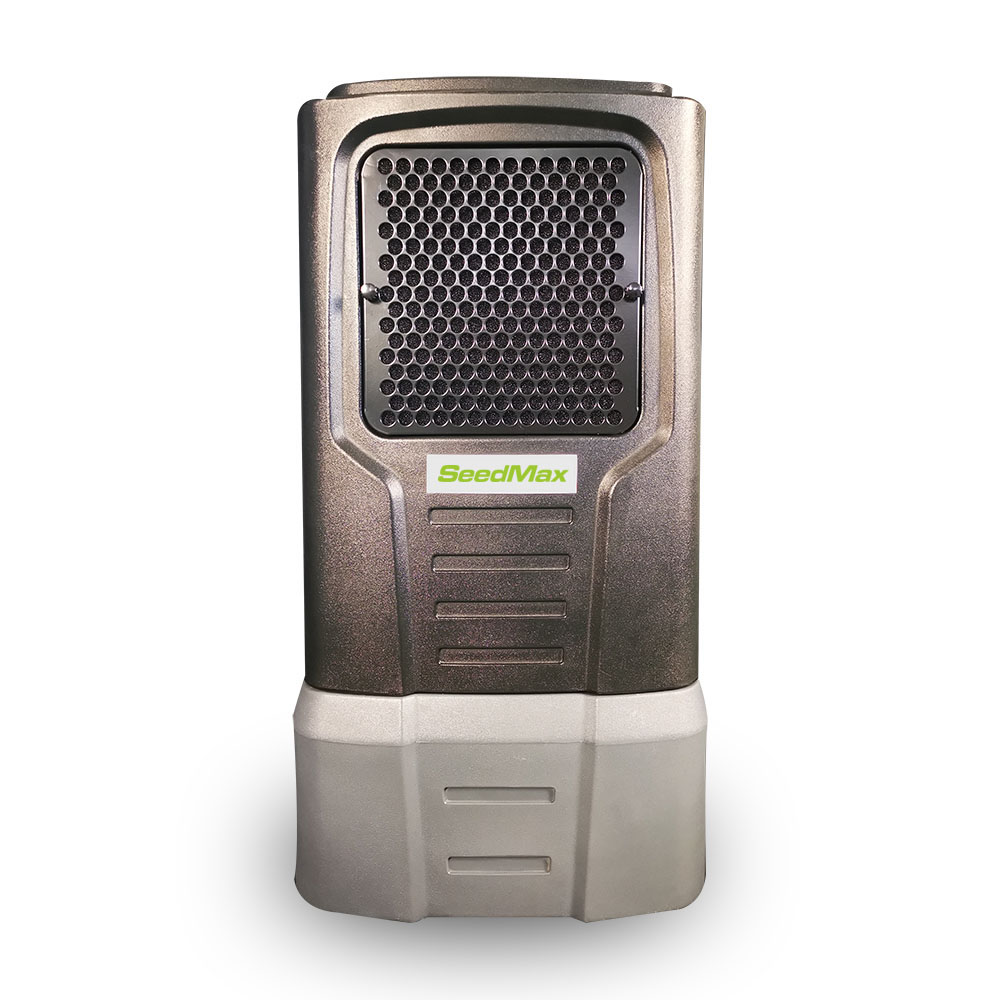
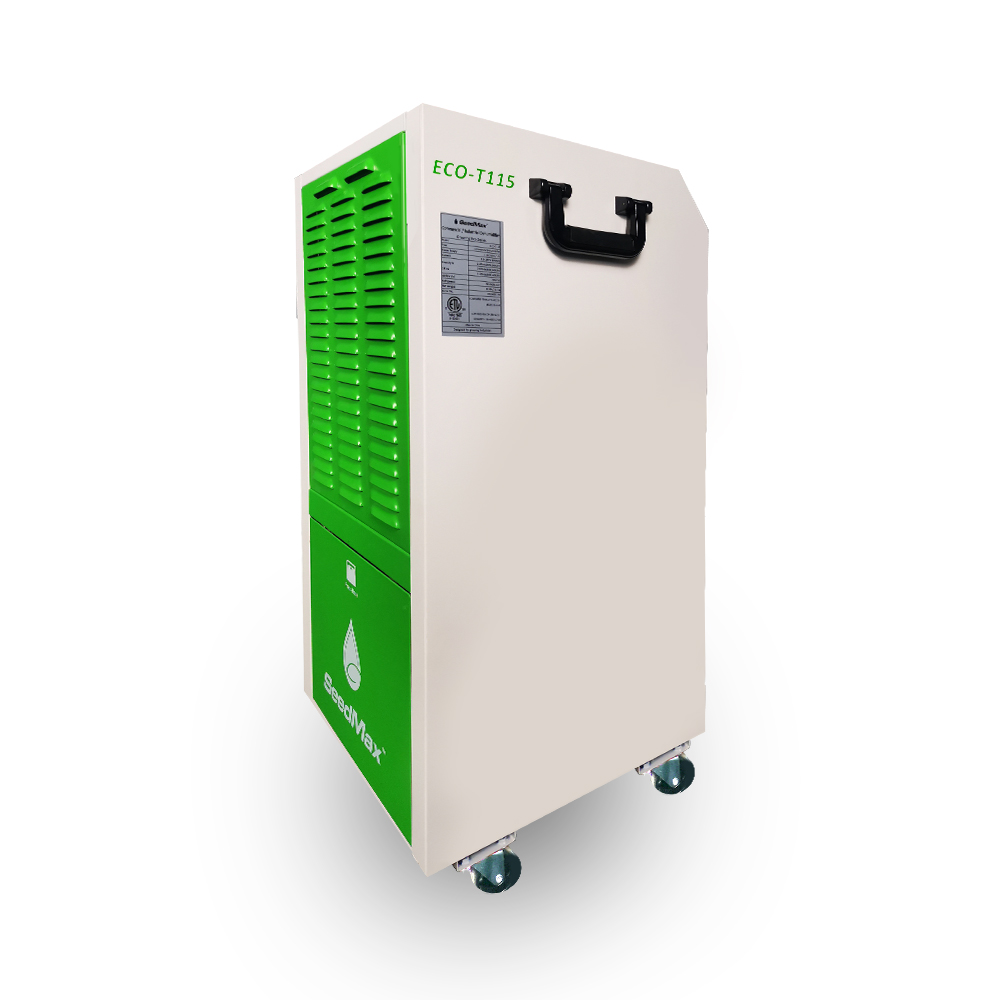
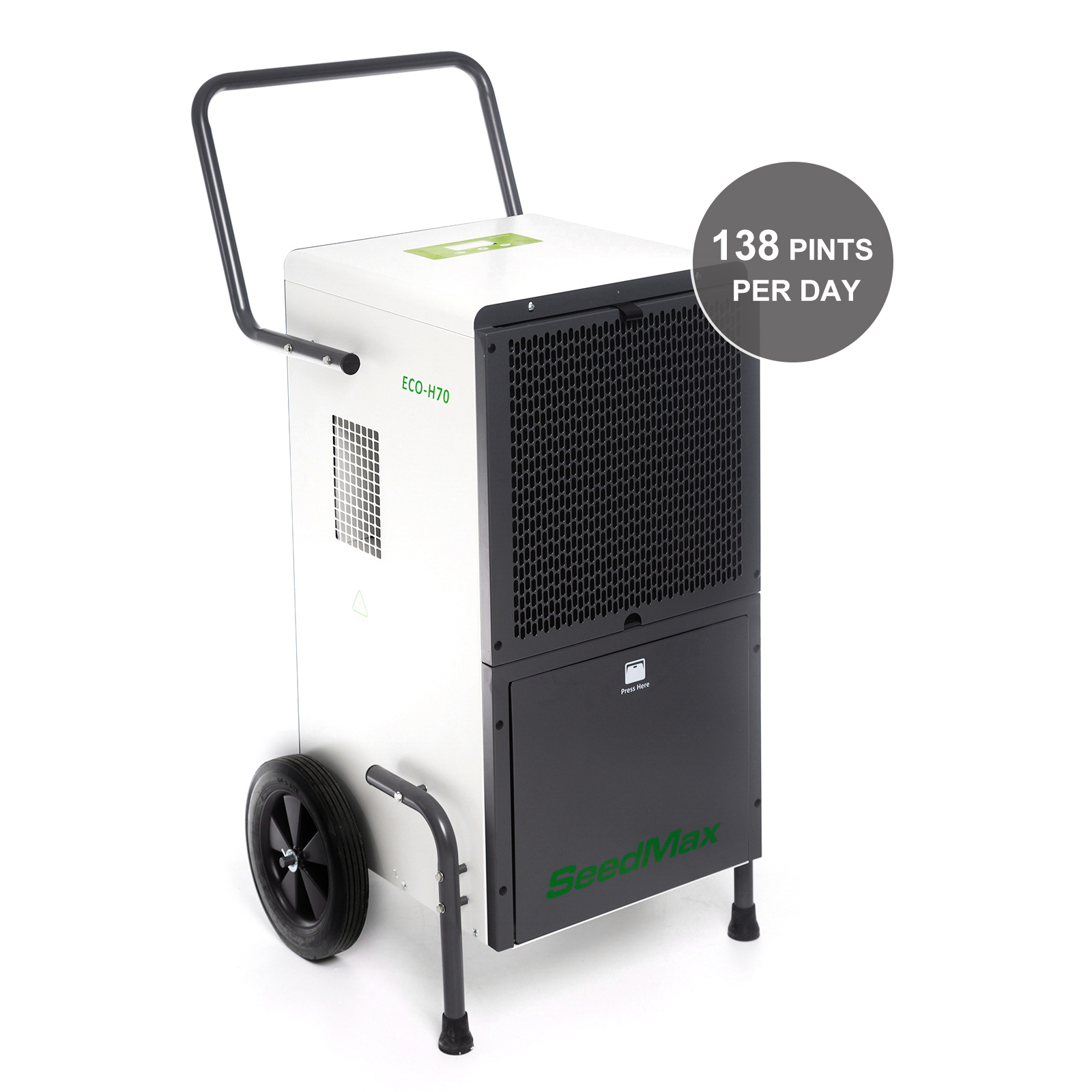
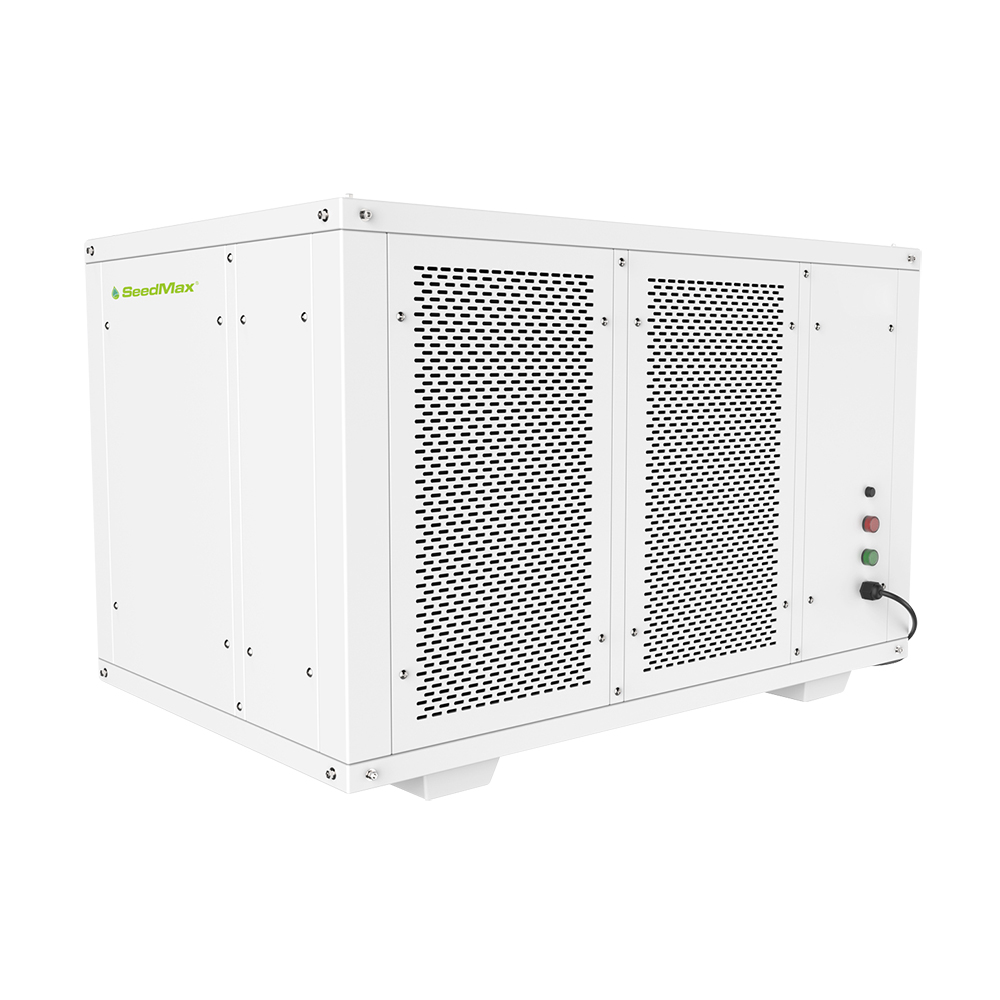
A dehumidifier is one of the most effective solutions for controlling excess moisture in a grow tent.
Benefits include:
Removes excess moisture continuously
Prevents mold and mildew
Protects flowers from bud rot
Maintains stable humidity during lights-off periods
Improves environmental consistency
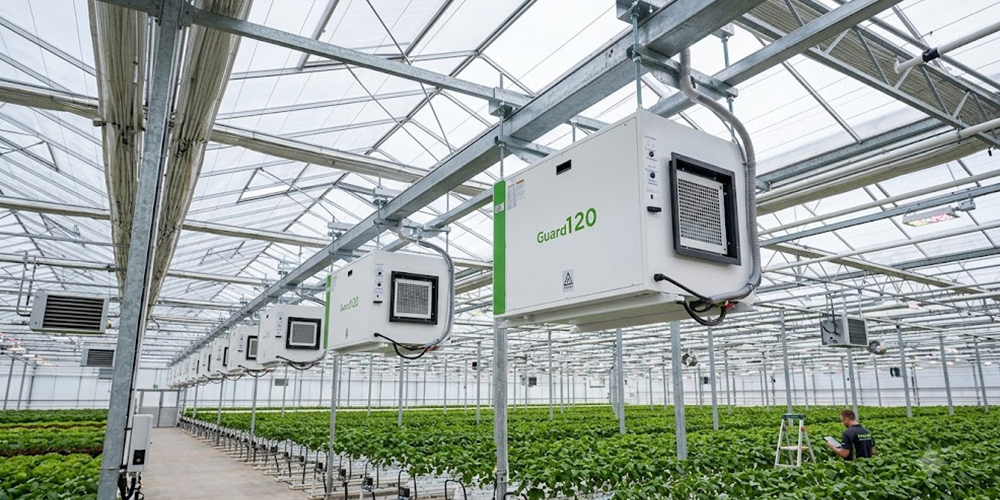
For small tents, a compact residential dehumidifier may be sufficient. Larger grow rooms or commercial cultivation facilities benefit from dedicated grow room or industrial dehumidifiers with automatic humidity control.
When selecting a greenhouse dehumidifier, consider tent dimensions, number of plants, lighting power, irrigation method, local climate, and desired humidity level. A properly sized unit prevents excessive cycling while maintaining stable RH.
Fresh air exchange removes humid air and replaces it with drier outside air.
Improve ventilation by:
Installing an appropriately sized exhaust fan
Using passive or active intake vents
Running the ventilation system continuously or on a controller
Keeping ducting short and unobstructed
Good ventilation also helps regulate temperature and replenish carbon dioxide.
Air movement prevents pockets of stagnant, humid air from forming around leaves and flowers.
Tips include:
Position oscillating fans above and below the canopy.
Avoid directing strong airflow at a single plant.
Ensure air reaches dense foliage.
Use multiple small fans instead of one large fan for even circulation.
Proper airflow also strengthens plant stems and reduces disease pressure.
Overwatering is a major contributor to excessive humidity.
Best practices include:
Water only when needed.
Allow the growing medium to dry slightly between waterings.
Water shortly after lights turn on.
Avoid leaving standing water in trays.
Reducing unnecessary evaporation helps maintain lower humidity levels.
Dense plant canopies trap moisture and restrict airflow.
Strategic pruning:
Improves air movement
Increases light penetration
Reduces humidity buildup
Lowers the chance of fungal infections
Only remove leaves as needed to avoid stressing the plants.
Warm air can hold more moisture than cool air.
Increasing the grow tent temperature by a few degrees can lower relative humidity, especially during cooler periods. However, temperatures should remain within the optimal range for your crop to avoid heat stress.
Temperature and humidity should always be managed together rather than independently.
Humidity often spikes when lights turn off because temperatures drop while plants continue releasing moisture.
To prevent nighttime humidity increases:
Continue running exhaust fans.
Keep circulation fans operating.
Use a dehumidifier during the dark cycle.
Consider a humidity controller for automatic operation.
Managing lights-off humidity is especially important during flowering.
Sometimes the surrounding room—not the tent—is the problem.
Check for damp basements, water leaks, open windows during humid weather, wet floors, and humidifiers operating nearby.
Reducing ambient humidity makes it easier for your grow tent to maintain ideal conditions.
Environmental conditions change throughout the day.
Use digital hygrometers or environmental controllers to monitor relative humidity (RH), temperature, daily high and low readings, and Vapor Pressure Deficit (VPD).
Continuous monitoring allows growers to respond before humidity reaches harmful levels.
Many experienced growers now manage climate using VPD rather than humidity alone.
VPD measures the relationship between temperature and humidity, helping optimize plant transpiration.
Maintaining the correct VPD can improve:
Nutrient uptake
Plant growth
Water efficiency
Disease resistance
Overall yield
Using VPD charts alongside humidity readings provides more precise environmental control.
Avoid these common humidity control mistakes:
Using an undersized exhaust fan
Turning ventilation off at night
Overcrowding the grow tent
Ignoring humidity spikes after watering
Relying only on air conditioning
Not cleaning fans and filters regularly
Choosing a dehumidifier that is too small for the space
Reducing humidity in a grow tent is essential for maintaining healthy plants and achieving consistent harvests. A combination of proper ventilation, effective air circulation, careful watering, and continuous environmental monitoring can significantly reduce excess moisture.
For growers in humid climates or larger cultivation facilities, investing in a high-quality dehumidifier is often the most reliable long-term solution. By maintaining the ideal humidity range throughout each growth stage, you can minimize disease risks, improve plant performance, and maximize overall crop quality.
 Hangzhou Hongtai Electrical Appliance Co., Ltd.
 info@seedmaxtech.com