
High humidity can lead to poor plant growth, mold growth, pests and diseases, and reduced yields. If you are struggling to reduce the humidity inside your planting tent, please continue reading the following industry recommendations. By carefully monitoring and adjusting the growth environment, you can create a perfect growth environment for plants.
Maintaining appropriate humidity inside the planting tent can ensure healthy plant growth and maximize yield. If the humidity is too high, please follow the following tips to reduce the humidity inside the planting tent to promote healthy crop growth and achieve a bountiful harvest.
Monitoring the temperature and humidity inside the planting tent is a key step in the successful cultivation of indoor plants. Many greenhouse thermometers are equipped with hygrometers that can simultaneously monitor relative humidity and temperature. Some can even be monitored through mobile applications, such as the ThermoPro Bluetooth indoor temperature and humidity monitor.
Ensuring good ventilation in the planting space is crucial. Including exhaust fans and intake fans (or duct fans), fan controllers, oscillating fans, and high-quality air ducts. When the humidity is high, the air exchange rate should be increased to make the air flow through the planting space faster. This will improve air circulation and reduce the formation of warm air retention areas.
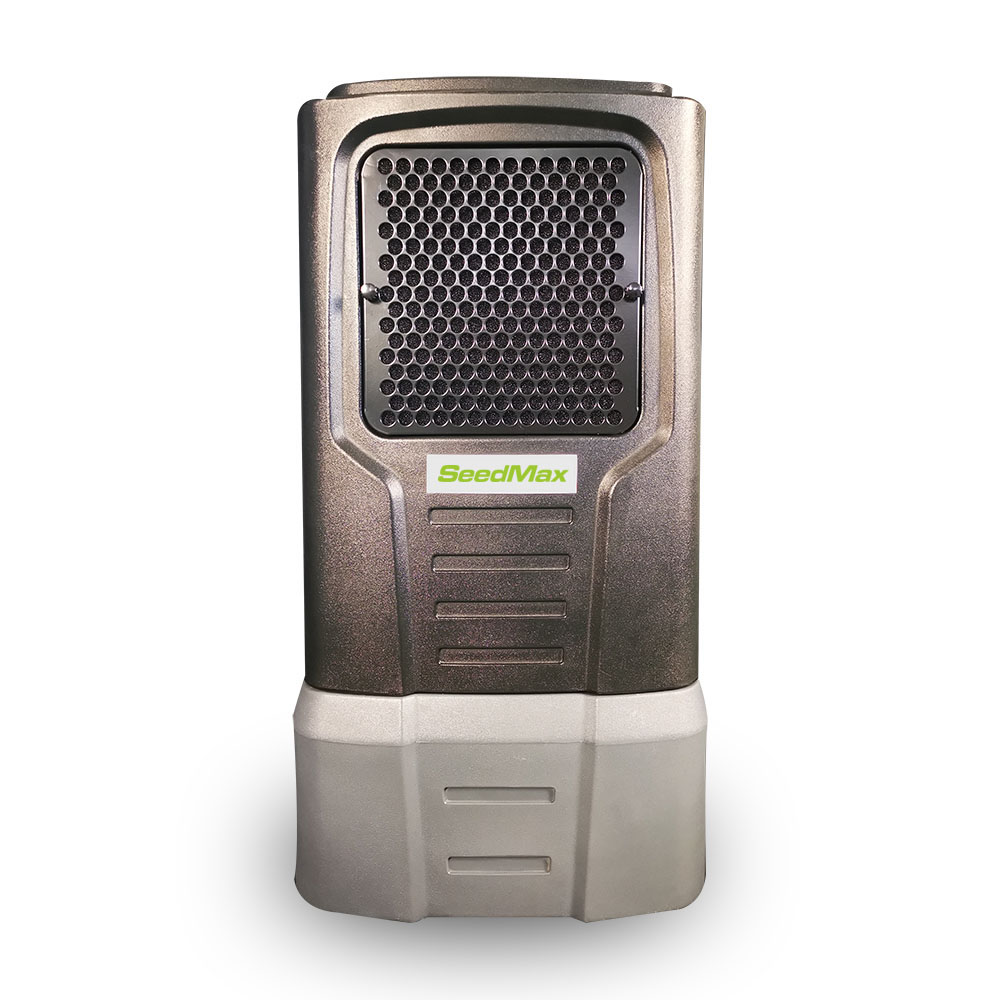
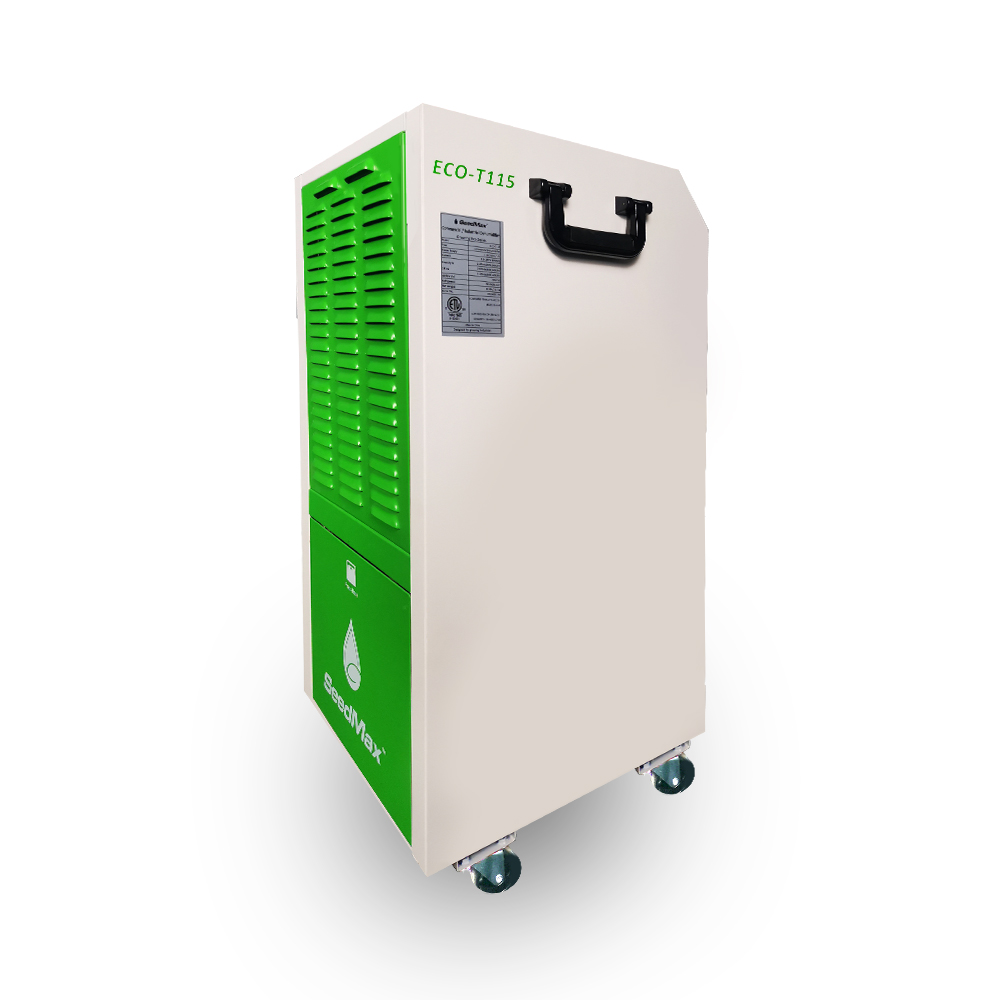
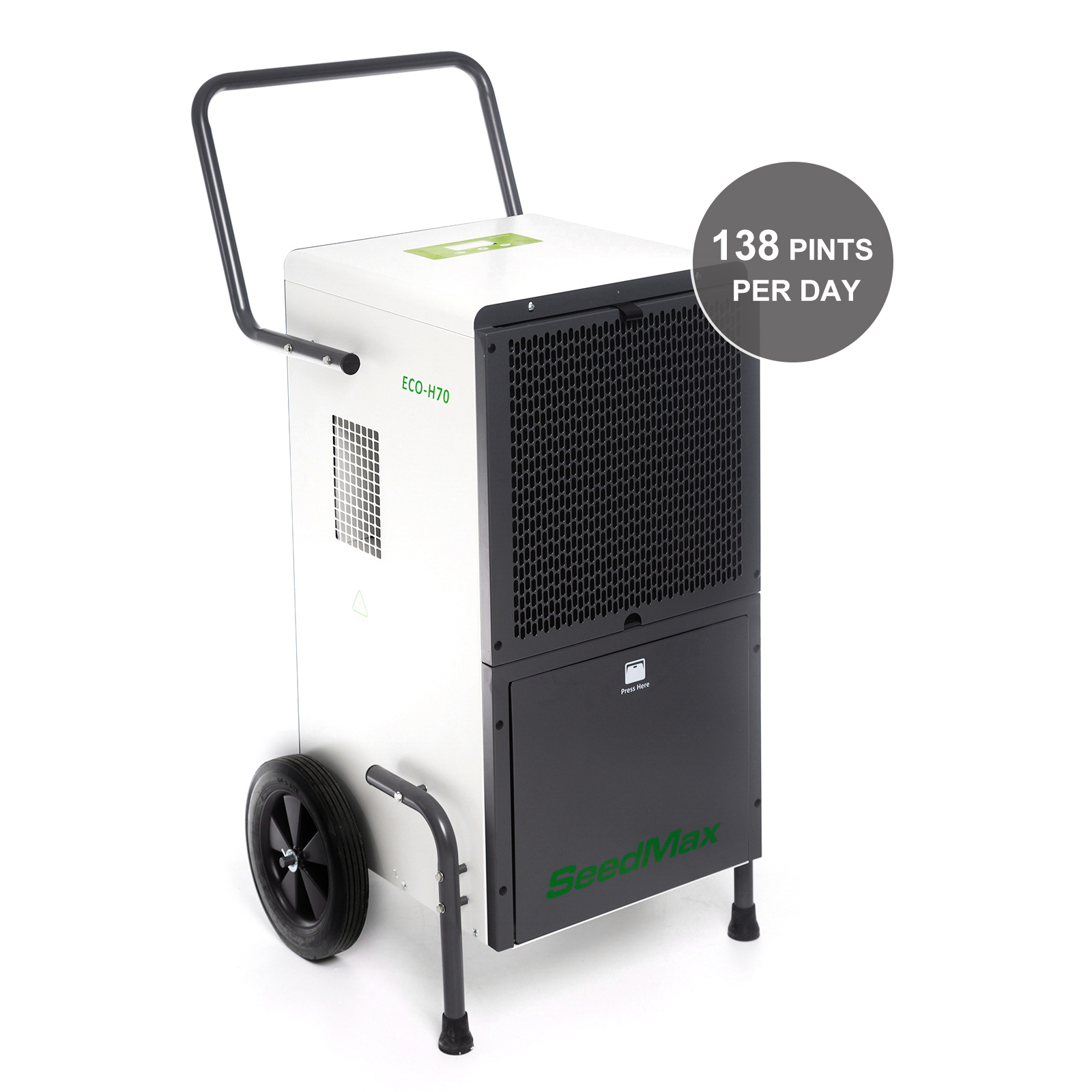
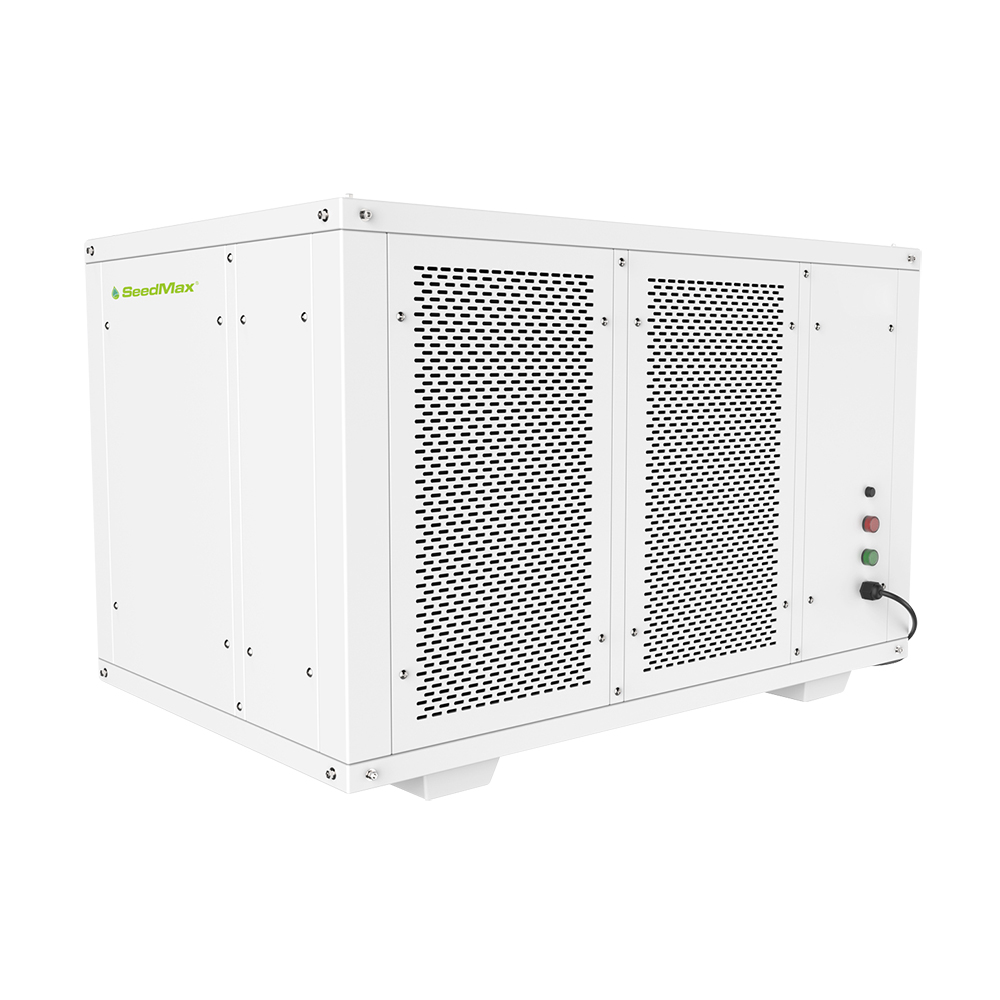
Remove excess moisture from the air. They can be used in conjunction with humidifiers throughout the year to ensure that the humidity in the planting space remains appropriate. There are multiple options that are suitable for different budgets. Using an commercial ceiling dehumidifier is a more reliable choice, for example, our PRO500 unit can monitor indoor humidity and maintain the level required for plant growth.
Be careful when watering to avoid overflow and water accumulation. If watering by hand, please check the soil or substrate first to avoid over watering.
Drip irrigation and other irrigation systems can precisely control water content, minimizing runoff and evaporation to the greatest extent possible. Capillary pads are another option for controlling moisture. This mat absorbs water from the water storage tank and then absorbs it according to the needs of the plant roots.
If using a hydroponic system, regularly check the storage tank to avoid overfilling, and if necessary, use a timer to control the delivery of nutrient solution. It is essential to monitor the EC and pH values to prevent nutritional imbalance.
Some types of plant growth lamps, such as high-intensity high-pressure sodium lamps, generate a large amount of heat, accelerate water evaporation, and increase indoor humidity. LED plant growth lights generate less heat, thereby reducing the evaporation of growth media and nutrient solutions, which helps to lower humidity.
Water evaporates faster in warm environments, so using air conditioning can help reduce the temperature and humidity inside the planting tent. The air conditioning unit cools the air and condenses moisture. Then, the unit will drain the excess water to keep the planting space dry.
Reasonably allocate plant spacing within the tent. This can improve the air circulation around plants and prevent the formation of warm and polluted stagnant air zones.
Overcrowding can hinder air circulation, increase humidity, limit light exposure, and affect plant growth. If your tent is too crowded, you can remove some plants or purchase a larger tent.
Regularly trim plants and remove excess branches and leaves. Pruning can maintain the shape of plants, increase air circulation, and reduce the total surface area of leaves, thereby reducing the amount of water vapor released into the air.
Be sure to promptly dry any spilled liquid, remove excess moisture from trays and plates, and ensure that damp clothing is removed from the planting space.
Controlling the humidity in the planting space can reduce the risk of pests, diseases, fungi, and bacterial infections. Creating an ideal planting environment can maximize crop yields. In addition to reducing the humidity inside the planting tent, sometimes you may also need to increase the humidity. Please remember that crops require different levels of humidity at different stages of growth.
Generally speaking, plants require a relative humidity (RH) of around 50-70% during their vegetative growth period. During the flowering and fruiting period, the humidity should be reduced to around 40-50%. The requirements of different plant species may vary, so please choose the most suitable humidity based on your crop situation.
 Hangzhou Hongtai Electrical Appliance Co., Ltd.
 info@seedmaxtech.com