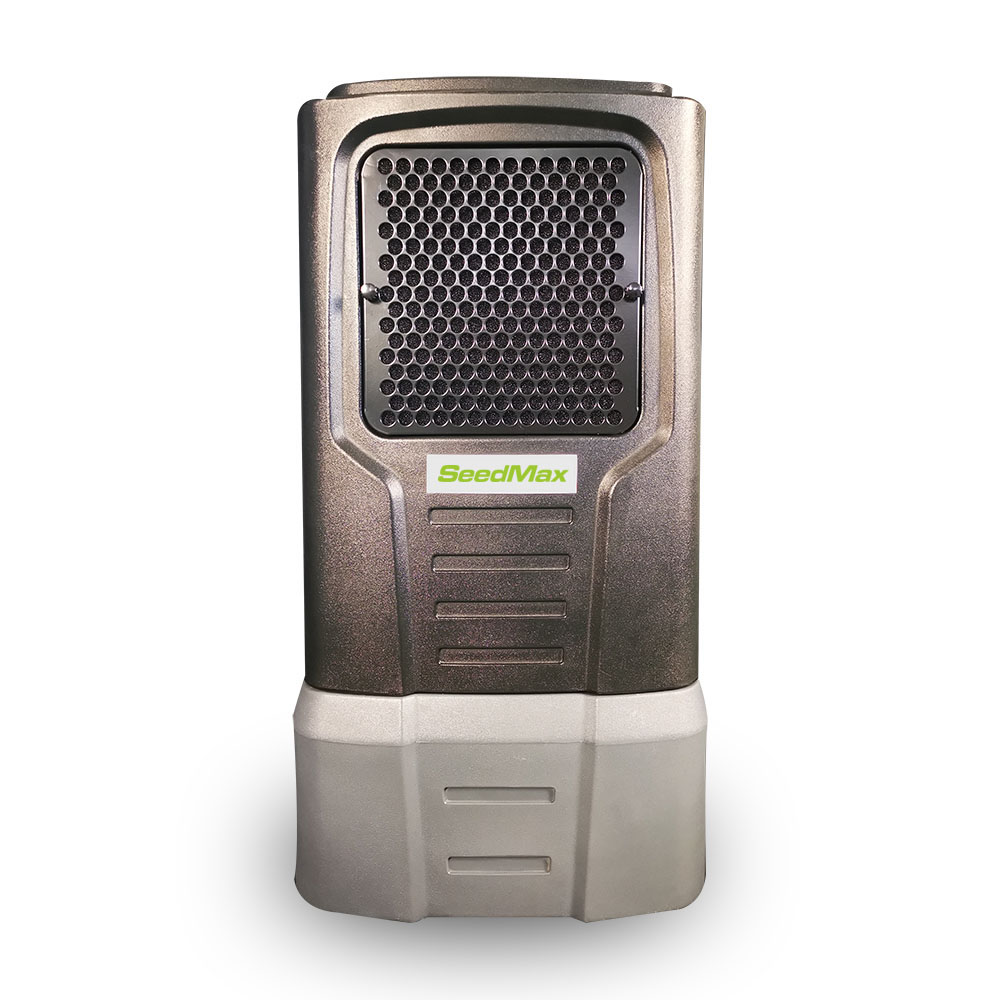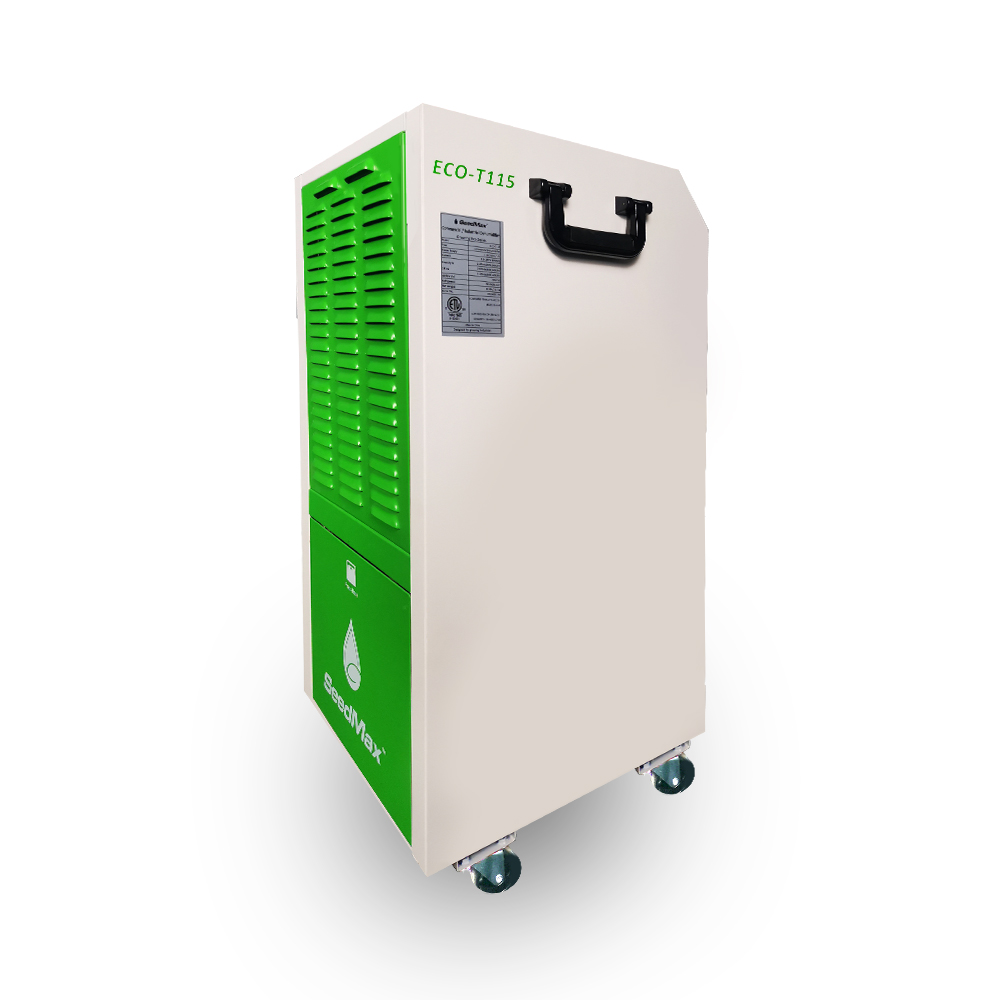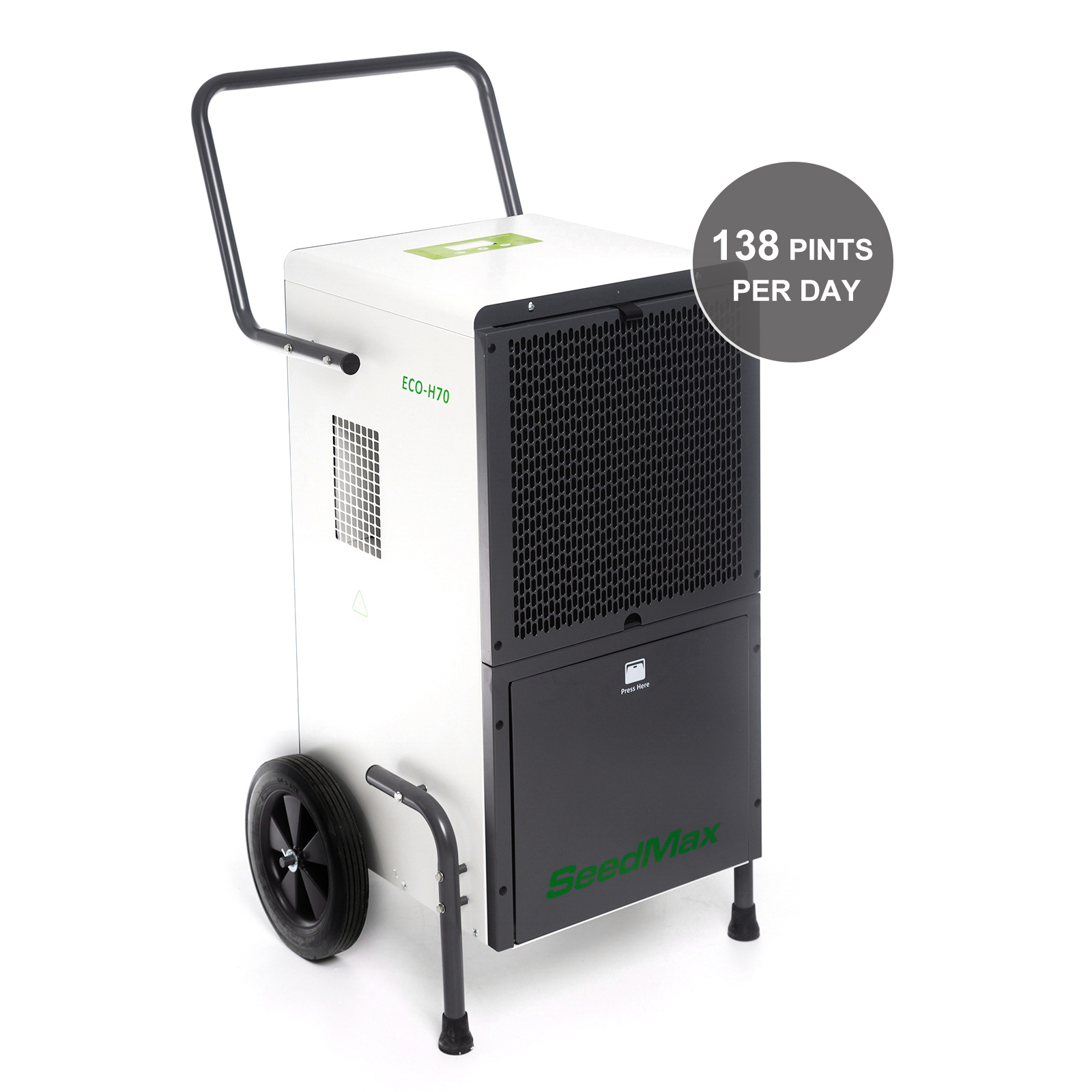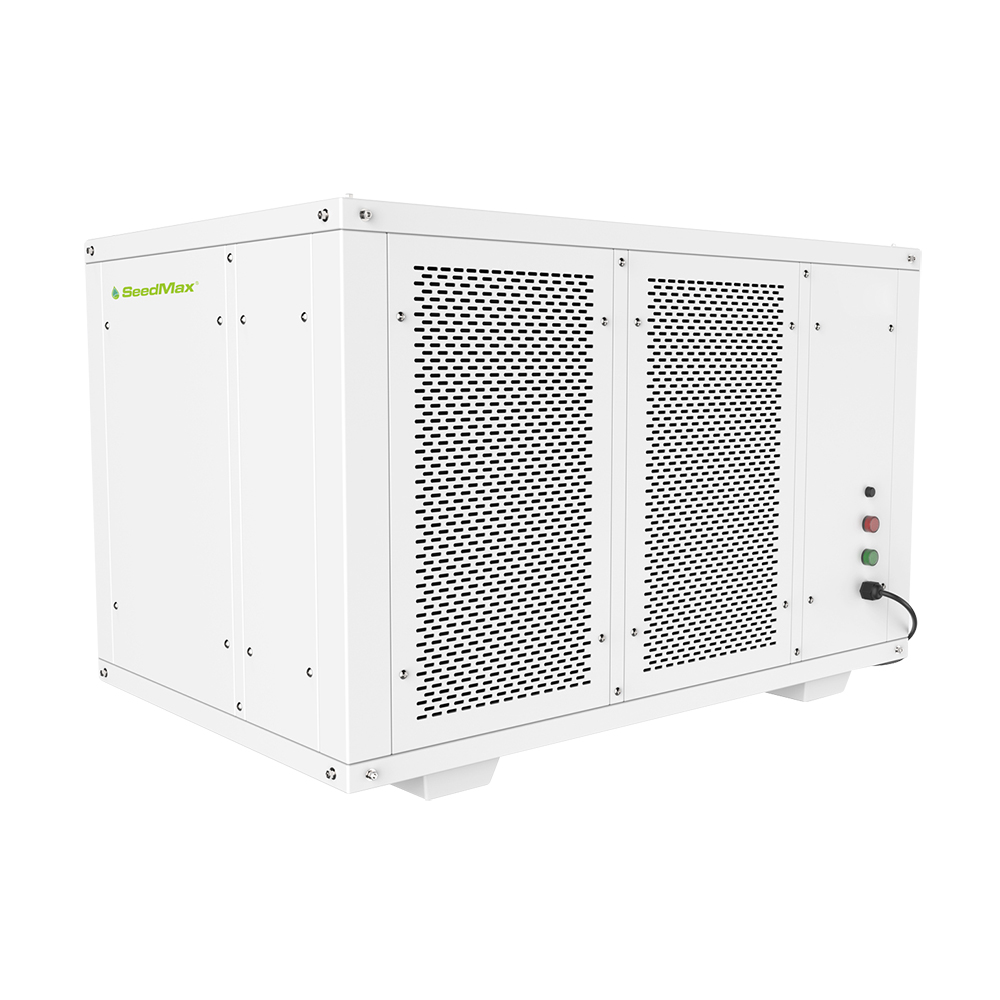
Maintaining proper humidity levels inside a grow tent is critical for healthy plant growth, disease prevention, and yield quality. Excess humidity—especially during flowering—can lead to mold, mildew, and reduced transpiration. Among all humidity-control methods, using a dehumidifier is the most reliable and scalable solution.

Grow tents create a sealed microclimate, which makes moisture buildup almost inevitable:
Plants release moisture through transpiration
Warm grow lights increase evaporation
Dense canopies trap humid air
Limited air exchange restricts moisture escape
Watering and wet growing media add additional moisture
As plants mature—especially in late vegetative and flowering stages—humidity can spike quickly beyond safe levels.
While requirements vary by plant species, general targets are:
|
Growth Stage |
Ideal RH |
|
Seedling |
60–70% |
|
Vegetative |
50–60% |
|
Flowering |
40–50% |
|
Late Flower |
35–45% |
Once humidity exceeds these ranges, active dehumidification becomes necessary.
Other methods—like increasing exhaust fan speed or opening vents—can help, but they are often inconsistent and dependent on ambient conditions. Dehumidifiers actively remove moisture from the air, regardless of outdoor humidity.
Key Advantages of Using a Dehumidifier
Direct and measurable humidity reduction
Stable control during lights-on and lights-off cycles
Prevents bud rot, powdery mildew, and mold
Improves nutrient uptake and transpiration
Supports consistent VPD (Vapor Pressure Deficit)
For serious growers, industrial greenhouse dehumidifiers are not optional—they’re essential environmental equipment.
1. Size the Dehumidifier Correctly
Grow tents generate more moisture than standard rooms. As a rule:
Commercial grow tent: 100+ pint/day or a ducted/whole-room unit
Undersized units will run constantly and still fail to control humidity.
2. Prioritize Continuous Drainage
Manual water tanks fill quickly in grow environments. Look for:
Gravity drain or pump drain
Ability to run 24/7 without shutdown
This is especially important during flowering when moisture output is highest.
3. Stable Performance at Lower Temperatures
Grow tents often operate between 18–26°C (65–80°F). Choose the best dehumidifier for grow tent designed to:
Maintain efficiency at lower temperatures
Avoid frequent defrost cycles
Industrial or grow-specific dehumidifiers perform far better than basic residential models.
Option 1: Inside the Grow Tent
Best for:
Small tents
Single-tent setups
Ensure:
Adequate airflow
Intake and exhaust are unobstructed
Heat output is accounted for
Option 2: Outside the Tent (Preferred for Larger Setups)
Place the dehumidifier in the lung room and:
Use tent exhaust to pull dry air in
Reduce heat buildup inside the tent
Improve overall system efficiency
This method is common in professional grow operations.
Set RH target based on growth stage
Run continuously during lights-off, when humidity spikes
Avoid aggressive cycling—steady operation is better
Use oscillating fans to prevent moisture pockets
Monitor RH at canopy level, not the floor
Pairing a dehumidifier with a humidistat or grow controller provides the most consistent results.
Using a residential dehumidifier not designed for grow environments
Undersizing the unit
Relying only on exhaust fans in humid climates
Ignoring humidity spikes at night
Failing to maintain or clean filters and coils
If you’re serious about plant health and yields, a properly sized dehumidifier is the most effective way to bring down humidity in a grow tent. It provides consistent control, protects against mold and rot, and supports optimal growth conditions throughout every stage of the plant lifecycle.
Whether you’re running a small personal tent or a commercial grow room, investing in the right dehumidification strategy pays off in healthier plants and higher-quality harvests.
 Hangzhou Hongtai Electrical Appliance Co., Ltd.
 info@seedmaxtech.com